

CHRONOLOGY
The Chronology presents an overview of events and processes in the second half of the 20th century and during the Defensive-Patriotic Wars, based on chronological and thematic principles.
Compiled by MSc Predrag Lozo and MSc Marko Janković.
The overview is continuously updated.
Genocide against Serbs in the Independent State of Croatia
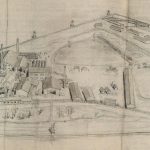
The genocide against Serbs within the Independent State of Croatia (1941–1945) constituted an attempt by the regime to achieve the total destruction of Serbs on its..
Multi-party elections in Croatia, political crisis and organizing of the Serbian people
The breakdown of the League of Communists of Yugoslavia, the emergence of new political parties and movements, and the shift in the overall climate of a society that was in..
Creation of the Republic of Serbian Krajina
The year 1991 saw a continuation of turbulent political developments within SR Croatia. Cognizant of the intentions of a Croatian leadership that was hurtling towards..


Establishment of the Assembly of the Serbian People in Bosnia and Herzegovina
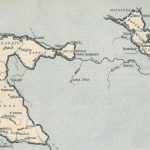
The initial multi-party elections in the Socialist Republic of Bosnia and Herzegovina took place on November 18, 1990. Electors voted for members of the Republic's Presidency,...
Proclamation of the Republic of Srpska
На основу одлуке Скупштине српског народа БиХ, Плебисцит о остајању српског народа Босне и Херцеговине у заједничкој држави Југославији одржан...
First civilian and military casualties
The initial atrocities against the Serbian population within the territory of the former Socialist Republic of Bosnia and Herzegovina were documented in the summer of...
The Sijekovac Massacre
The secessionist war was systematically expanded from the former Socialist Republic of Croatia into the territory of BiH. In this manner, the initial mass atrocities...


The Suffering of Serbs in Kupres Municipality
At the beginning of April, in the municipality of Kupres in southwestern BiH, an offensive was launched by Croatian armed formations, mainly directed at settlements where...

Massacres of JNA columns during withdrawal
Between the beginning of March and the middle of April 1992, across the territory of the former Socialist Republic of Bosnia and Herzegovina, multiple...
Dretelj Camp
Dretelj is a place north of the urban area of Čapljina, upstream on the right bank of the Neretva River. At the entrance to the settlement there was a complex...
Silos Camp in Tarčin
The "Silos" camp was located in the local community of Tarčin, in the Hadžići municipality, about 25 kilometers south of Sarajevo. At the beginning of the war conflicts...
Establishment of the Army of the Serbian Republic of Bosnia and Herzegovina (VRS)
The historical context of the genocide endured by the Serbian people between 1941 and 1945, the dissolution of Yugoslavia, the forced secession of Slovenia and Croatia, coupled with an attempt to outvote...
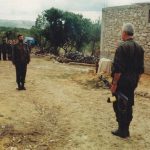
Crimes against Serbs in Bradina and other places in Konjic Municipality
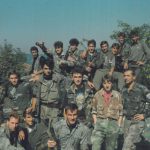
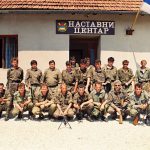
Konjic is a strategically very important place at the crossroads between Herzegovina and Bosnia, on the vital communication line between Sarajevo and Mostar. During the Second World War, in the period of the Genocide against Serbs in the NDH, the Serbian population of Konjic suffered significant losses.


Operation Corridor 92
With the onset of military operations in 1992, the Muslim-Croat coalition maintained a blockade of the corridors through Posavina, separating the northwestern part of the Serb Republic of BiH from...
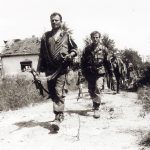
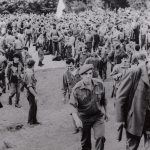
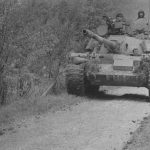
First Mitrovdan Offensive
The First Mitrovdan Offensive represents a major offensive operation by Croat-Muslim forces against the positions of the Army of the Republic of Srpska on the Mostar–Nevesinje axis in November 1992....
Attack on Kravica and surrounding settlements
During the second half of 1992, within the Central Podrinje region, Muslim armed units from Srebrenica launched extensive and intense offensive...


Operation "Lukavac 93"
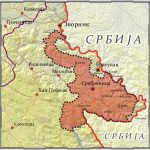
In early July 1993, the Main Staff of the Army of Republika Srpska launched a new operation, Lukavac 93, aimed at the liberation of Trnovo. On this...
Second Mitrovdan Offensive in Herzegovina
The Second Mitrovdan Offensive represents a major offensive operation by the so-called Army of the Republic of Bosnia and Herzegovina (Army of RBiH) against the positions of the Army of the Republic of Srpska...
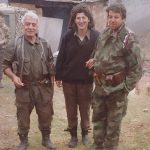
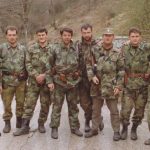
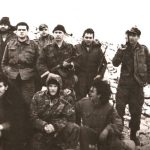
War crimes against Serbs in Western Slavonia
The large-scale Croatian offensive against Western Slavonia, then within the territory of the Republic of Serbian Krajina, was launched at the beginning of May 1995...


War Crimes against Serbs during the Croatian Operation "Storm"
The character of the Croatian leadership's endeavors and its secessionist actions during the nineties, aimed at establishing an ethnically homogeneous Croatian state, devoid of rights and...


NATO Bombing of Republika Srpska
The NATO bombing of Republika Srpska, Operation 'Deliberate Force,' represented the largest military intervention by this alliance since the Second...

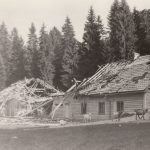
The Fall of Vozuća
In the course of September 1995, when NATO air attacks on Republika Srpska entered an expanded stage, the Ozren-Vozuća front...


Defense of the Western Krajina Municipalities in 1995
Following the successful completion of Operation 'Maestral,' the Croatian military and political leadership, with the open support of the American administration, made the decision to continue...


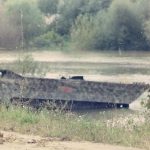
The Fall of the Western Krajina Municipalities
Following 'Operation Storm' and the expulsion of the Serbian population from the RSK in August 1995, and during the NATO bombing of Republika Srpska, in..


Sufferings of Serbs in Mrkonjić Grad and Sanski Most
In September 1995, the Serbian people in the west of the Republic of Srpska experienced great suffering. The loss of the western Krajina municipalities brought new crimes,...


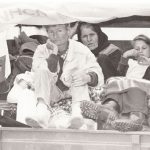
The Dayton Peace Agreement
Peace negotiations to end the war on the territory of the former BiH were held at the Wright-Patterson Air Force Base, near the town of Dayton in...
Terrorist Attacks and Kidnappings in Kosovo and Metohija
Following the signing of the Dayton Peace Agreement, under the direct influence of the West, a crisis situation was activated in Serbia in the territory of the Autonomous Province of Kosovo...



NATO Aggression against the FR Yugoslavia
Following a large number of attacks and casualties during 1998, terrorist attacks in Kosovo and Metohija continued at the beginning of..
The March Pogrom of the Serbian Population in Kosovo and Metohija
The March 2004 pogrom of the Serbian population in Kosovo and Metohija represented a second large-scale wave of atrocities, or rather the culmination of crimes which...