
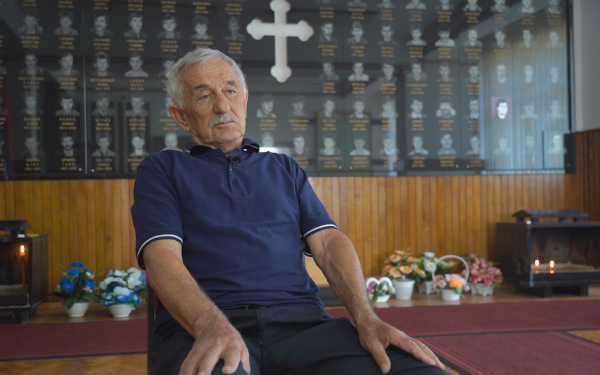
Ostoja Jakovljević
Name and surname of the victim: Dalibor (Ostoja) Jakovljevic
Pre-war place of residence: Srbac
Relation to the victim: Father
Location of recording: Srbac
Name and surname of the victim: Dalibor (Ostoja) Jakovljevic
Pre-war place of residence: Srbac
Relation to the victim: Father
Location of recording: Srbac
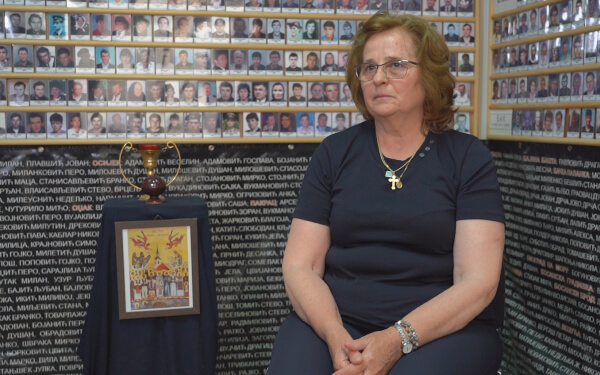
Names and surnames of the victims Sinisa (Milan) Dobric and Petar (Đuro) Dobric
Pre-war place of residence: Sisak
Relation to the victim: Mother and daughter-in-law
Location of recording: Beograd

Name and surname of the victim: Dalibor (Zdravko) Jorgić
Pre-war place of residence: Banja Luka
Relation to the victim: Father
Location of recording: Banja Luka
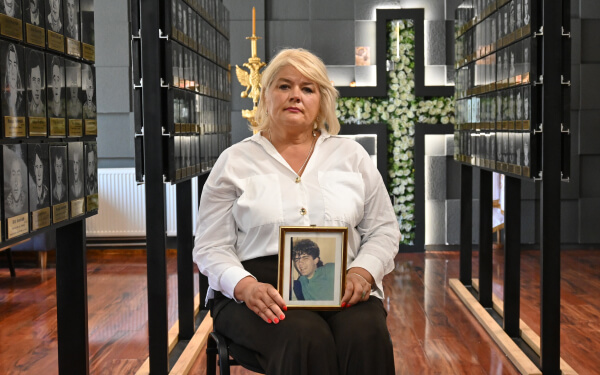
Name and surname of the victim: Milenko (Obrad) Milović
Pre-war place of residence: Mostar
Relation to the victim: Sister
Location of recording: Nevesinje
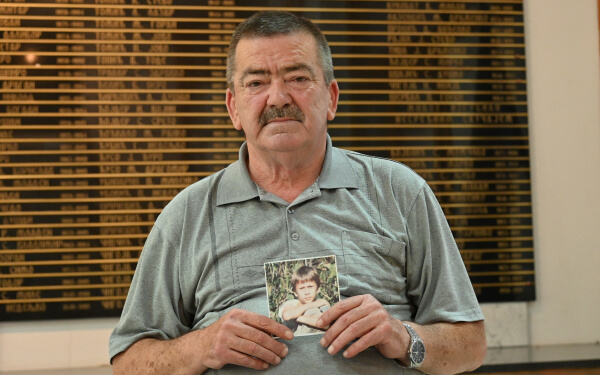
Name and surname of the victim: Nenad (Miodrag) Batinica
Pre-war place of residence: Jajce
Relation to the victim: Father
Location of recording: Mrkonjić Grad
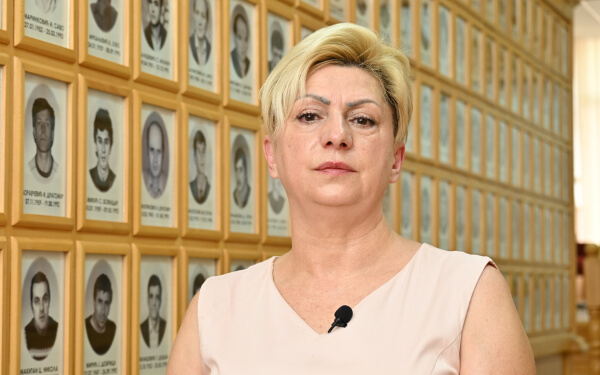
Name and surname of the victim: Gojko (Savo) Joković
Pre-war place of residence: Kalesia
Relation to the victim: Wife
Location of recording: Zvornik
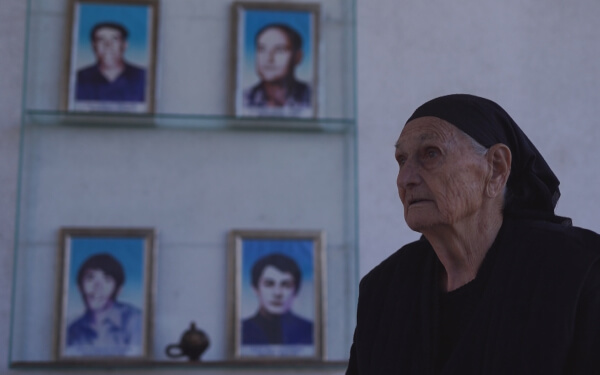
Names and surnames of the victims Jovo (Vaso) Zečević, Milan (Jovo) Zečević, Vaso (Jovo) Zečević and Petar (Jovo) Zečević
Pre-war place of residence: Bosanski Brod
Relation to the victim: Mother and wife
Location of recording: Brod
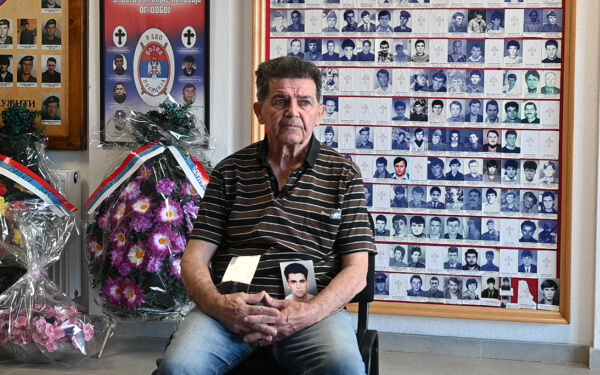
Name and surname of the victim: Daliborka (Blagoje) Blagojević
Pre-war place of residence: Maglaj
Relation to the victim: Father
Location of recording: Doboj
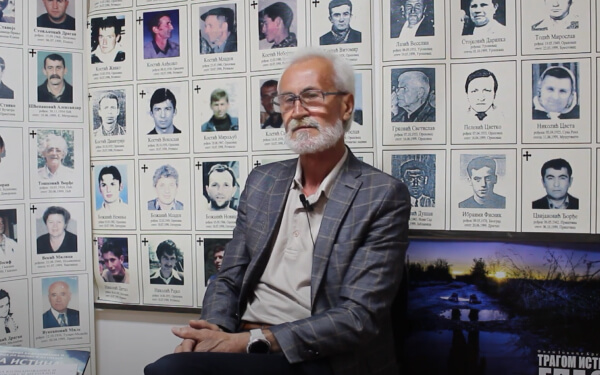
Names and surnames of the victims Milan Stojković, Darinka Stojković i Slobodan Stojković
Pre-war place of residence: Uroševac
Relation to the victim: Son and brother
Location of recording: Beograd

The Memorial Center of the Republic of Srpska is dedicated to collecting, processing, and preserving audio-visual testimonies about the suffering of the Serbian people. Share your testimony and help preserve the truth.
Contact Us
The Memorial Center of Republika Srpska was born out of the deepest need of a people to preserve its memory as a spiritual foundation, identity, and moral pillar, because a people that loses its memory has lost its soul. The Serbian people has for centuries paid the price for the right to remember, to exist, and to speak the truth.
The Memorial Center of Republika Srpska is not just an archive, a museum, or a space of remembrance. It is a living witness to the time that tried to erase us and proof that truth is stronger than oblivion. At the same time, through the voices of the survivors, it serves truth and justice — it serves memory that restores dignity to the victims and meaning to their sacrifice.
Through personal stories, through the confessions of a mother waiting for her son, a sister still searching for her brother, a camp survivor who endured inhumane conditions and humiliations, and through the words and tears of every person whose fate testifies to suffering, faith, and perseverance — one people speaks. Their stories are also the stories of those who never had the chance to leave their mark; at the same time, they are living history that shapes us and obliges us.
The Serbian people, from the Battle of Kosovo to the present day, has lived under the burden of a history that has constantly tested it. From Saint Sava and the Nemanjić dynasty to the First Serbian Uprising, from Cer to Thessalonica, from Kragujevac to Jasenovac, from Prebilovci to Kravica — one single line of suffering stretches, but also one single line of faith and resistance.
In the First World War, Serbia lost one third of its population. In the Second World War, in the Independent State of Croatia, a genocide was committed against the Serbs — one of the most horrific in history. In Jasenovac and Donja Gradina, people were killed not for what they had done, but for what they were — and they were Serbs.
The wars of the 1990s were not the beginning, but a continuation of a centuries-long struggle for survival, for the right to a name, language, faith, and truth. Out of that suffering, Republika Srpska was born — as a necessity for survival. The Serbian people, from Kosovo to today, has remained faithful to Christ’s path of sacrifice and resurrection. Through those sufferings, the Serbian people has matured into a people of memory, a covenant people.
The Memorial Center of Republika Srpska today represents one of the heirs and guardians of an entire century of Serbian suffering and the guardian of one truth. A truth that continuously tells us that the history of the Serbs is a history of suffering, but also a history of the victory of the spirit over nothingness.
Our goal is for every story — from soldier to child, from mother to camp survivor, from invalid to every witness of suffering — to be recorded, preserved, and made accessible to all. Because every testimony is a stone in the wall of our memory.
In a time when history is written by those who speak the loudest, the Memorial Center of Republika Srpska has chosen to speak with the quietest but truest voice — the voice of those who are beside us, who with their lives testify to who we are and what price we have paid for freedom. The voice of witnesses to Serbian suffering.
That is why we invite families, institutions, scholars, teachers, students, researchers, and witnesses to build this sacred place of memory together. For to remember means to exist, and a people that remembers cannot disappear.
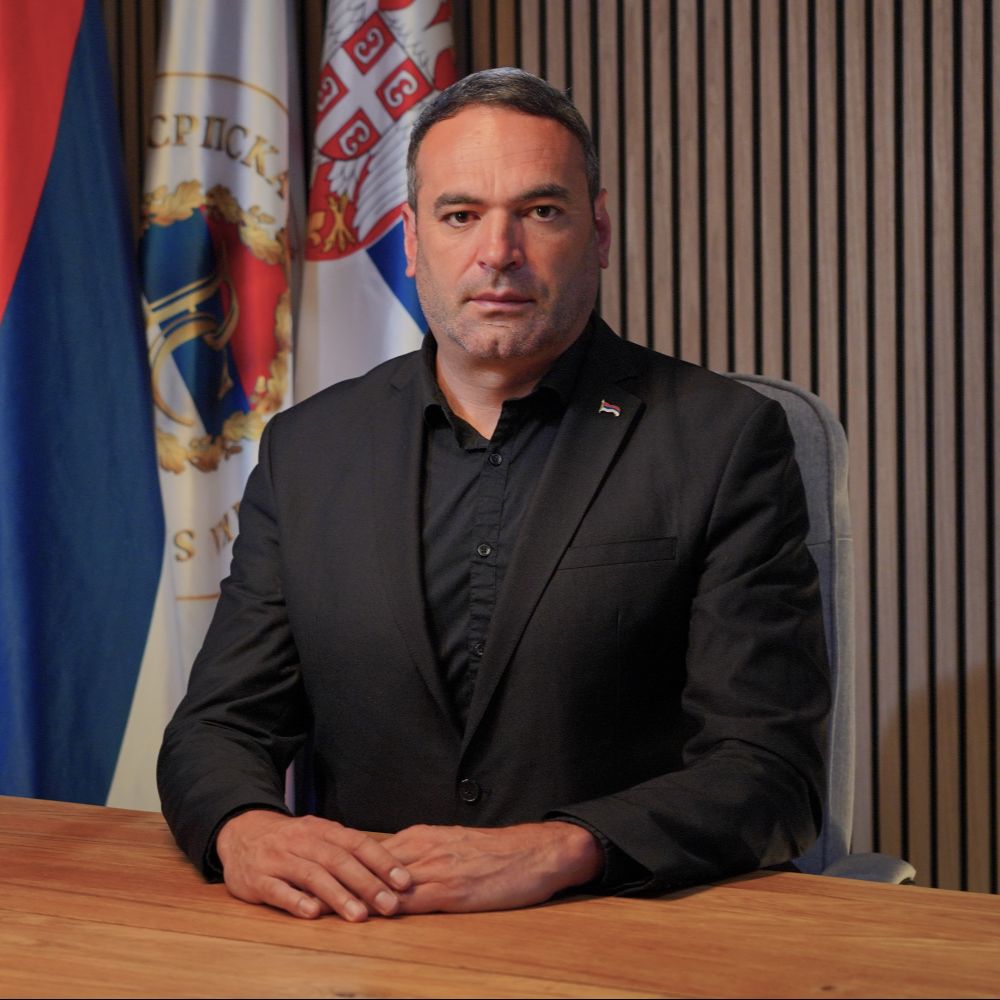
Denis Bojić
Director of the Memorial center of the Republic of Srpska Republike Srpske

Watch the latest episodes of the "Otadžbina" podcast