


The NATO bombing of Republika Srpska, Operation "Deliberate Force," represented the largest military intervention by this alliance in Europe after the Second World War up to that point. The later bombing of the Federal Republic of Yugoslavia (FRY) in 1999 would take precedence. The West's influence on the breaking up and dissolution of Yugoslavia entered an obvious phase of open hostility with this act, accompanied by aggressive anti-Serb propaganda.
Previous NATO Attacks
Even before this operation, NATO had militarily intervened multiple times against the formations of the Army of Republika Srpska (VRS) and the Serbian Army of Krajina (SVK). From February 1994 to August 1995, several airstrikes were carried out in which ground targets, logistical centers, and VRS positions were bombed, and Serbian aircraft were shot down. The focus of these actions was in the eastern part of Republika Srpska, around Sarajevo, Goražde, and other places, and the target of the attacks was also the Udbina airport in the RSK. Serbian planes were also shot down near Banja Luka.
The Pretext
The event known as "Markale 2" (August 28, 1995), when dozens of civilians were killed in an explosion at a Sarajevo market, was cited as the immediate pretext for the operation of open and constant bombing. Although responsibility for this event was never unequivocally established, Serbian forces were immediately accused, a new wave of media demonization of Serbs was carried out, and the bombing followed without delay.
Duration and Results of the Operation
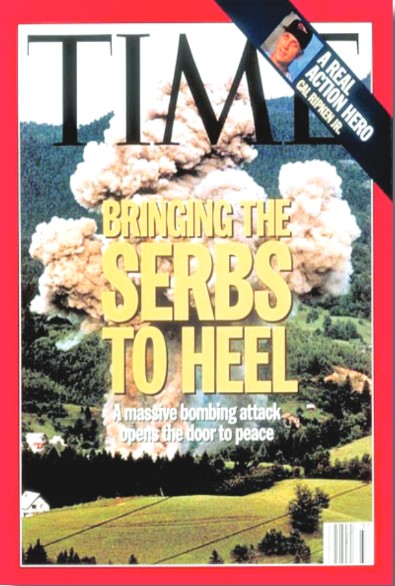
Operation "Deliberate Force" lasted from August 30 to September 14, 1995, and was carried out as open support for Muslim-Croatian forces in the final stages of the war. It involved over 5,000 NATO soldiers from 15 countries and more than 400 aircraft, including 222 combat planes.
During the operation, the aviation of NATO countries carried out more than 3,500 flights, and the UN Rapid Reaction Force also operated from positions on Mount Igman. "Tomahawk" cruise missiles were also used, fired from NATO warships in the Adriatic Sea. It was an unjust war, an aggression by the most powerful military alliance in history, at the highest technological level, against a small state and people. However, the Army of Republika Srpska, with its modest anti-aircraft combat potential, did not surrender and managed to shoot down several enemy aircraft.
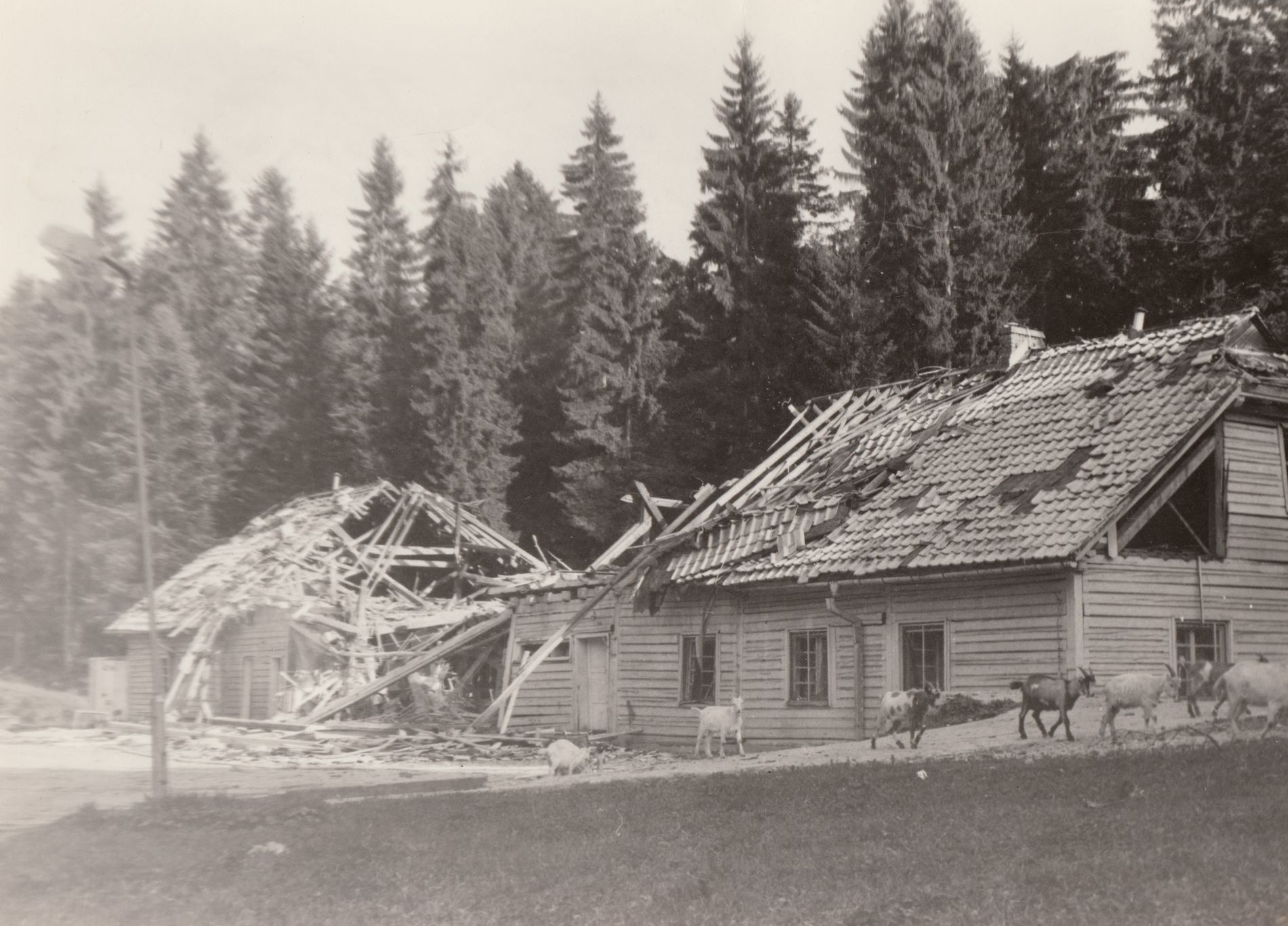
After two weeks of bombing, NATO suspended the operation due to bad weather conditions, but also due to the fulfillment of objectives and the promise of the military and civilian leadership to withdraw heavy artillery from the immediate vicinity of Sarajevo, which was achieved. The Serbian side, in addition to losses in military potential and equipment, as well as civilian facilities, also suffered human casualties. At least 47 VRS soldiers, five labor obligation members, and seven civilians were killed, while over 120 soldiers and civilians were wounded by direct action.
Consequences of the Bombing
Besides direct destruction and human casualties, both military and civilian, the attack had serious consequences. The bombing represented direct military assistance to the Muslim-Croatian forces, which then launched an offensive in the western parts of Republika Srpska, leading to the loss of a large part of the territory under Serbian control and the mass persecution of the Serbian population. The attacks were carried out just a month after Croatia, with the help and approval of the West, expelled over 150,000 Serbs from its territory and destroyed the RSK.
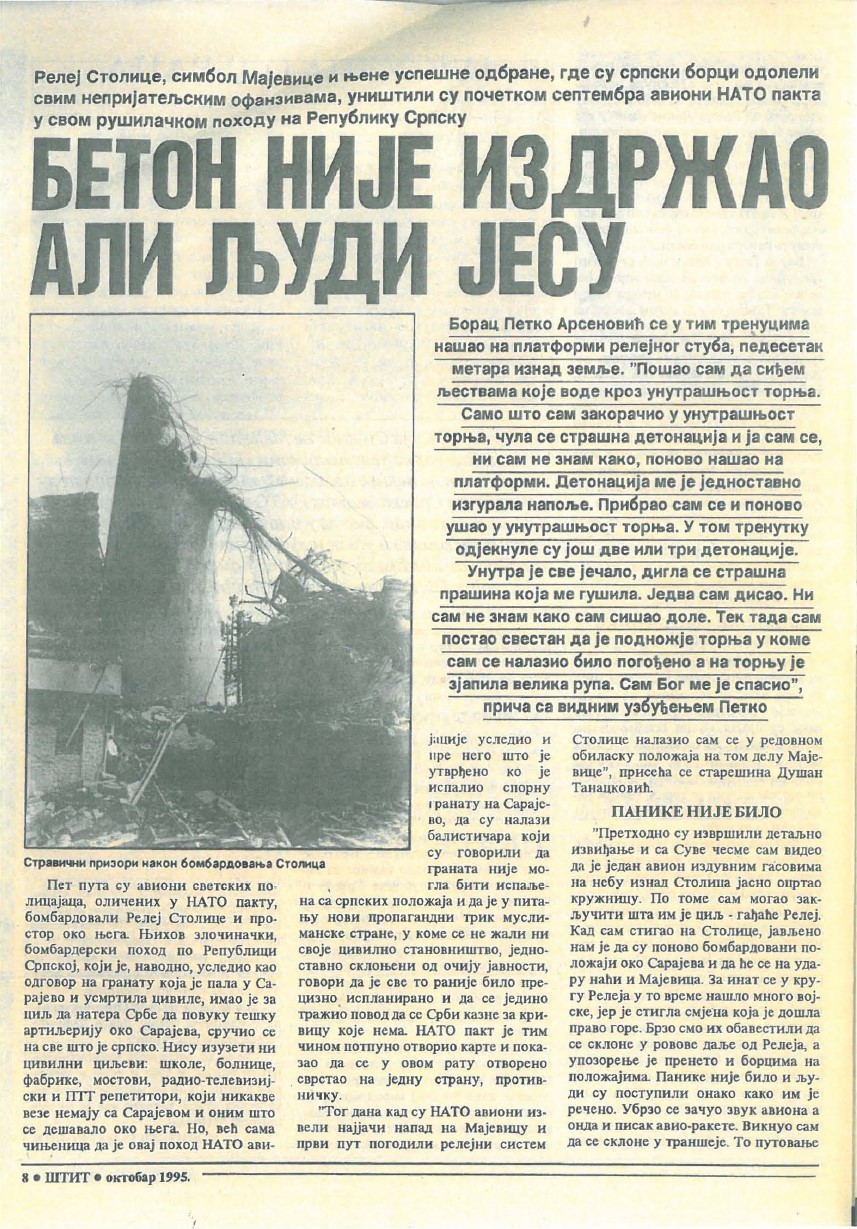
One of the long-term consequences is the threat to the health of the population, as depleted uranium ammunition was used in the NATO attacks, which had long-lasting and highly harmful effects on human health. This was a drastic example of violating international conventions on prohibited types of weapons.
Source:
- Mилорад Којић, Невенко Врањеш, Виктор Нуждић и Дарио Новковић, Намјерном силом на Републику Српску, РЦИРЗ, Бања Лука 2017.
- Bojan B. Dimitrijević, Vazdušni rat nad Republikom Srpskom i Republikom Srpskom Krajinom, Beograd 2017.