


Oral history represents a significant research aspect in contemporary historiography, but also in the culture and politics of memory, which enables access to the experiences, perceptions, and testimonies of “ordinary people” – the quiet heroes who often remain beyond the reach of classical written sources and the traditional historiographical approach to the past. Its importance is particularly reflected in expanding the sources of historical knowledge, not only in a quantitative sense, but also in a qualitative one, because it brings new layers of knowledge and meaning that include personal – individual testimonies, memories and experiences, emotions, cultural patterns, as well as social frameworks and contexts. In this way, we can more easily understand what happened to the individual, but also the historical, event-based, and cultural context in which it occurred, that is, the context in which they lived and acted. This approach is especially important in the study of society, particularly those events and processes where, by the nature of things, written documentation is scarce, administratively-bureaucratically sterile, incomplete, or ideologically shaped and conditioned.
In the developmental context of historical science, oral history has contributed to the expansion of the historiographical picture by shifting the focus from exclusively “great” events and elites, great historical figures, or as we would say “the mountain tops”, towards “ordinary” people and their life experiences. In this way, history is enriched with micro-historical insights that enable a more complex understanding of the past. At the same time, the history of ordinary people emerges through the “bottom-up” approach, which better explains not only the way of life but also the mental and cultural patterns of action throughout the past. People who, with the classical approach, would never have come into the focus of historiography are now becoming part of the portrayal of the past. Oral testimonies often reveal the everyday frameworks, ways and conditions of life, survival strategies in ordinary, regular, but also in extreme situations, as well as the ways in which individuals understand and interpret historical processes, making them irreplaceable in the reconstruction of national, social and cultural movements.
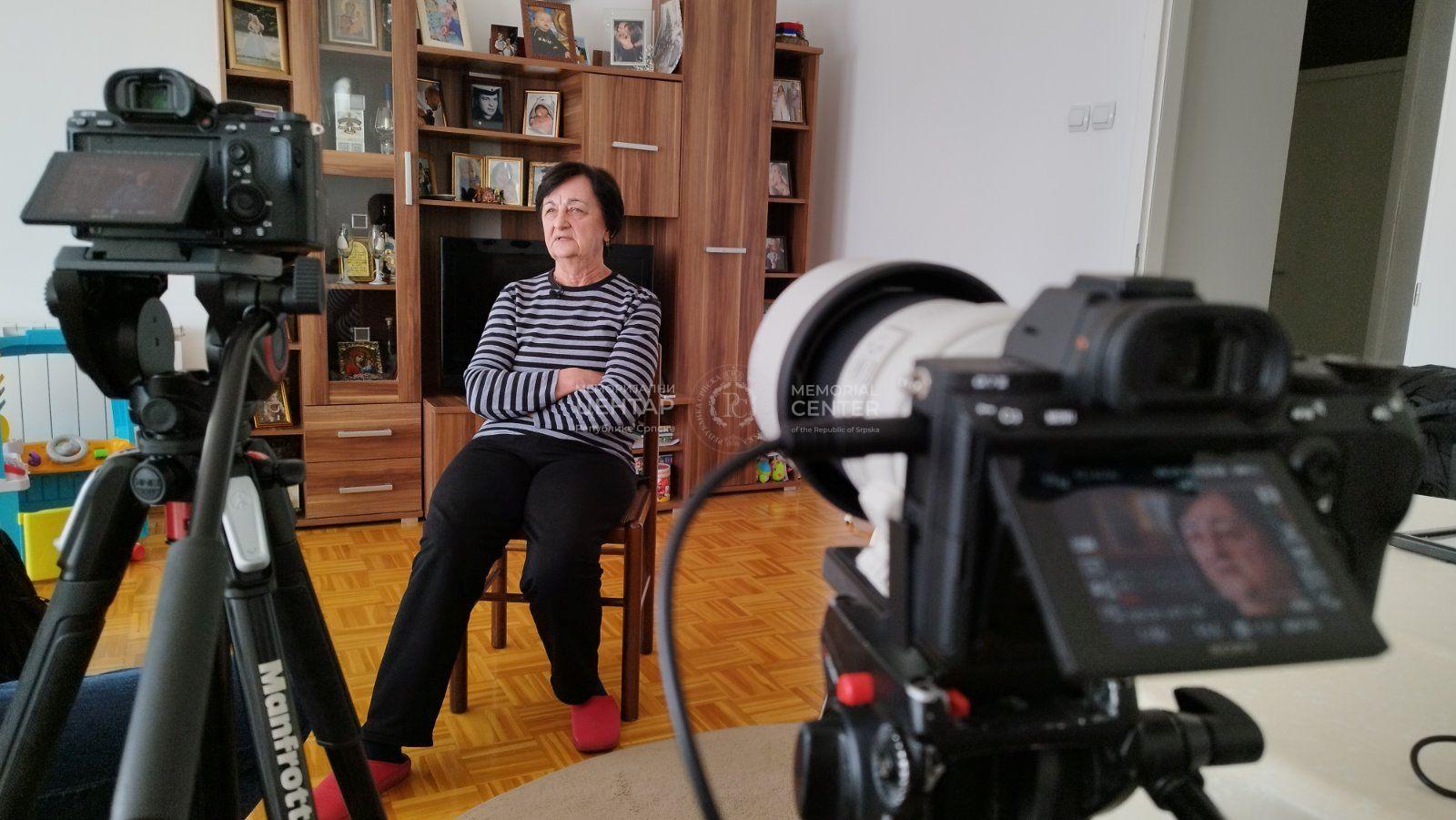
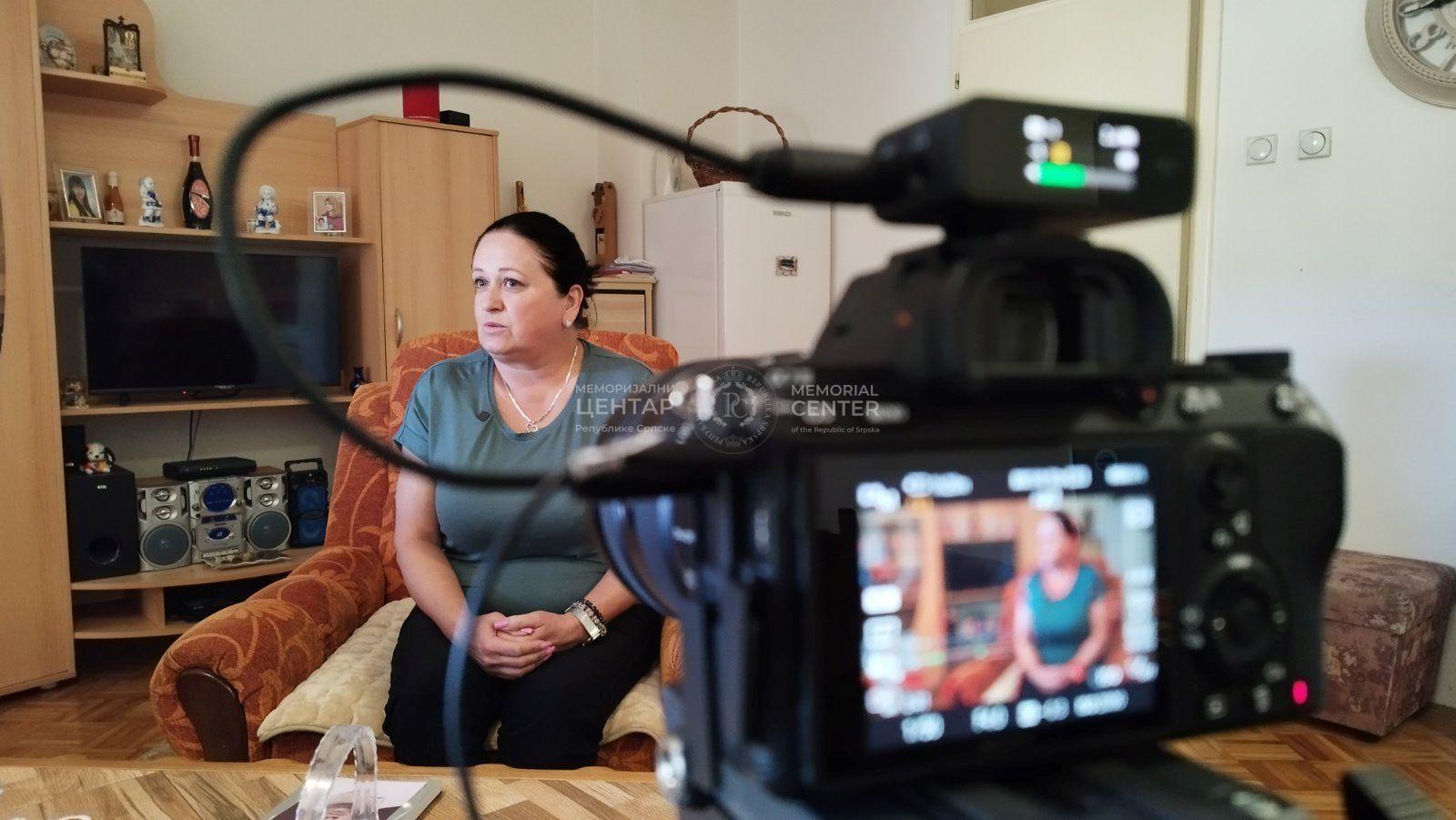
In addition to new and more detailed knowledge, oral history, its statements and their reproduction in various ways offer the listener the opportunity to more easily discover and understand that the past is not a series of abstract events, but a collection of many personal, family and collective stories. Within this framework, we as listeners are offered a human face with all its traits with whom we can identify, whom we can understand, but also with whom we can empathize in their fears, anxieties, sorrows and joys, defeats and victories. Oral history has also shown its importance in the research of genealogies and family histories. A statement from an ancestor or direct relative, found in a forgotten inheritance or in some official archive, represents an almost immeasurable value for the family in the present, for its members, because it testifies about people and events that no longer exist and who have no voice in today’s world, yet they were close to us or to our predecessors.
OATH VERTICAL
The Serbs, as a people of deep historical vertical, formed their historical consciousness as we know it today under the most difficult historical conditions, during the centuries-long Ottoman occupation of Serbian lands. Particularly crucial was the period of the restoration of the Peć Patriarchate (1557–1766). Looking back at the medieval glory, at the glorious and holy Nemanjić ancestors, Saint Sava and Holy Prince Lazar, Hilandar, Dečani and Žiča, the Serbs began to view the Battle of Kosovo as the key moment of their past, attributing to it the characteristics of a universal struggle between good and evil, martyrdom and betrayal — elements that also had a pedagogical role in the occupying Islamist society for preserving the Orthodox faith and thus the overall national identity. It was a process based on oral – verbal tradition that was passed down from generation to generation as such. What among the Serbs in the medieval and Ottoman period had a pedagogical role, what was an epic, liturgical, oath vertical, a verbal bulwark of the people’s existence, in later re-examinations and historical maturation gained the role of a pre-national and finally, in the 19th century, a national identity. Serbian national identity was established as a focal point in which Serbian regional identities are bound together, which, through the experiences of great suffering in two world wars, became a kind of national immune system.
The Serbs are, therefore, not only a vow people, but their epic oral tradition has also become a classic example of transmitting and understanding the past on a personal and family, but also on a wider collective level. Can we then say that we, as a collective, should have a special sense of responsibility towards oral history?
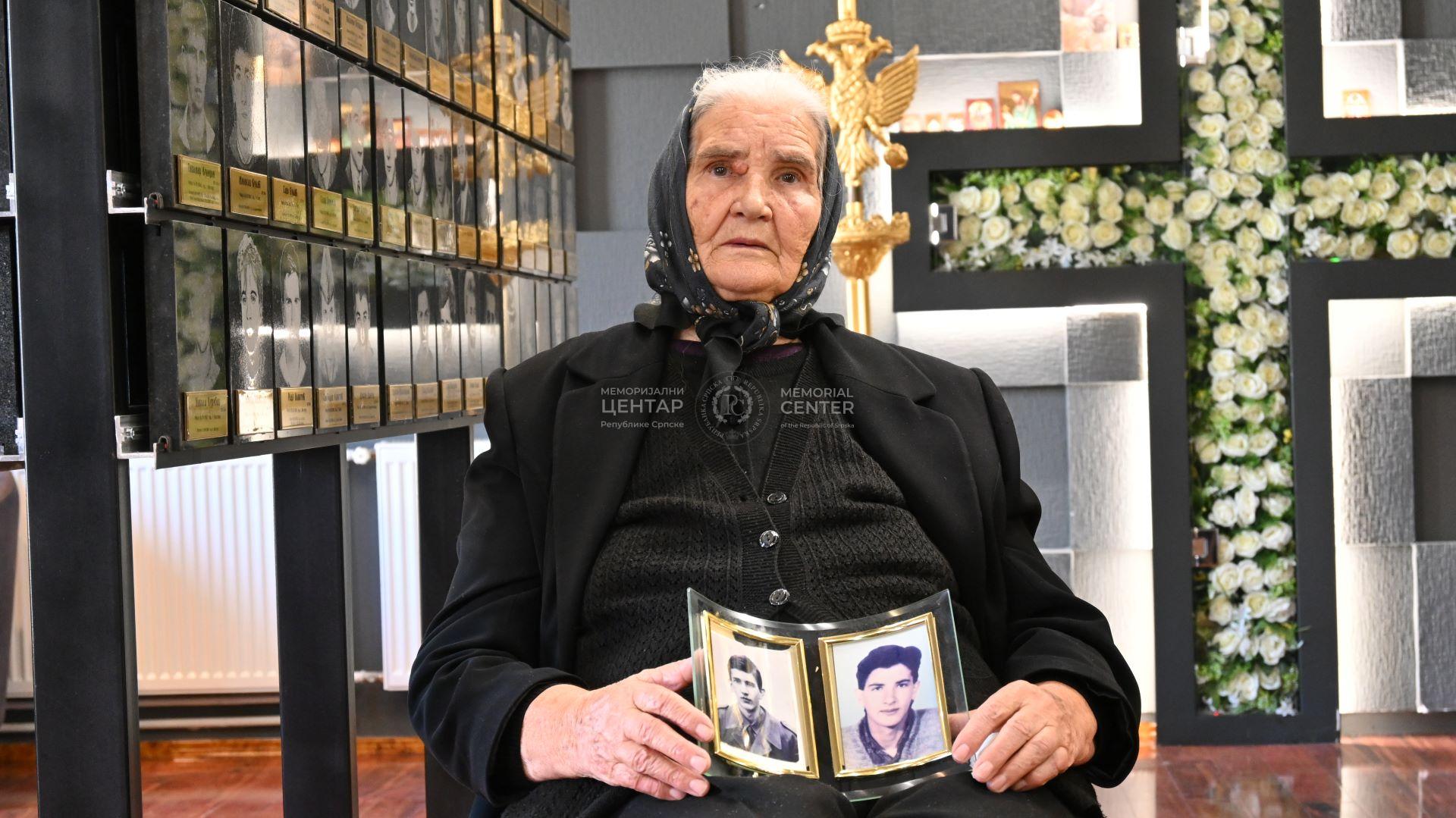
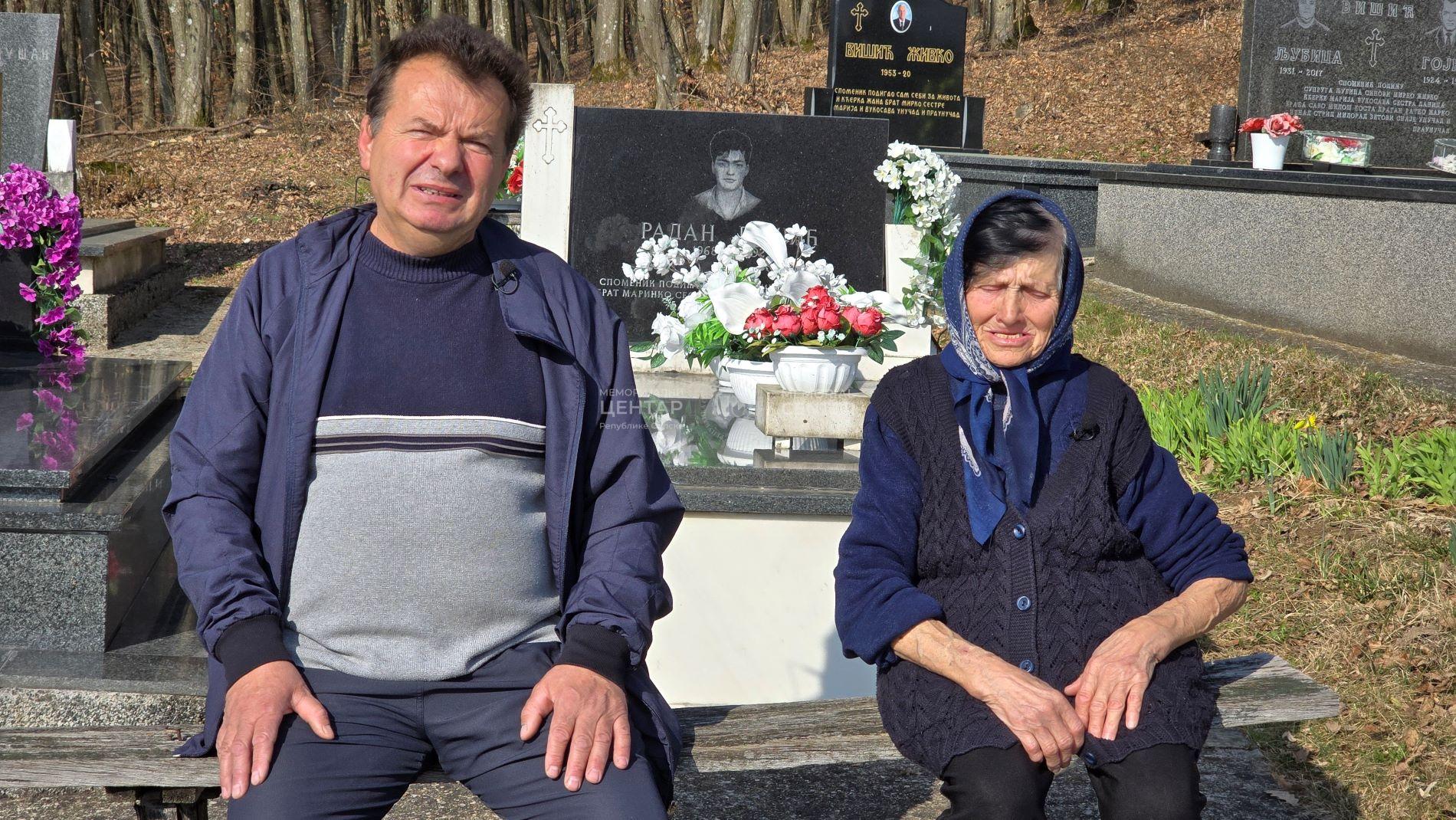
If we only look back at the long twentieth century, we would hardly understand our freedom-loving history, the history of survival, suffering and hardship, and struggle, if we did not read it in the literary or real personal testimony from the Albanian Golgotha of the Serbian people and state. We would hardly understand it without hearing from the stories the salvos of artillery fire and the charge of the Serbian infantry from the Salonika Front told by the Salonika veterans, just as we would not grasp today the cruel year of 1941 and the Genocide against the Serbs in the Independent State of Croatia and the uprising, as well as the German executions of 100 for one, 100 pupils and other innocents in Kragujevac and Kraljevo, without the testimonies of the survivors, but also the cries of the victims’ relatives. We would hardly try to understand all the above without the stories and whispers of our grandmothers and grandfathers about those of ours who are no longer with us — whispers that helped us develop awareness and defend ourselves in the 1990s.
How many testimonies of our predecessors and contemporaries about our time and earlier times will we leave to the generations to come?
HISTORY WE CREATE AND PRESERVE
Methodologically, taking statements involves a carefully designed interview that combines structure and flexibility. The researcher must be trained to ask open-ended questions, to recognize significant narrative moments, and to avoid imposing interpretations. Critical analysis of oral sources includes considering the subjectivity, selectivity of memory, and the influence of subsequent experiences on the testimony, but it is precisely in these elements that their analytical value lies. Therefore, we approach every testimony critically, but at the same time we understand it with its place in time, space, and values. The theoretical framework for observing these issues involves critical analysis through cross-referencing with other sources, but without discrediting the experience of the witness themselves. It is precisely this balance that represents one of the most complex tasks in this field.
When moving from the individual research level to organized institutional collection of statements from witnesses of historical events, things are placed on a higher systemic level. Systematic organization of research significant for the collective, methodological standardization of interviewing and archiving procedures, as well as scientific and ethical frameworks (informed consent, understanding of the use of the statement for various purposes of the common good, the right to withdraw or not publish the statement…) enable the collected material to be reliable, comparable, and usable in the long term. Institutions – archives, scientific institutes, memorial centers, museums and universities, research and documentation centers – play a key role in ensuring the continuity of these activities and in preventing the loss of valuable testimonies, in their meaningful and responsible preservation and systematization, in their scientific and public use, and in their role in the memory politics of a society.
Archives and databases of oral testimonies differ in their thematic scope and orientation, then in their temporal and geographical coverage, as well as in methodological approaches. However, what they have in common is that in today’s world they represent key resources, those more widely available, for researching history, especially contemporary history. Well-known are the archives that contain a large number of video testimonies of surviving victims or descendants of victims of the Holocaust and other genocides. Testimonies of war veterans from the time of the Second World War or conflicts waged after it are also the basis of well-known examples of specific archives of oral sources. There are also databases and archives with a much broader and more diverse thematic framework that encompass class, cultural, migratory and other aspects. Digital platforms that integrate oral sources with other types of historical material, enabling wide accessibility and interdisciplinary use, also occupy a special place.
These databases and archives show how thematic diversity – from genocides and wars to social and cultural history – influences the development of different methodological approaches, but also the importance of institutional support in the preservation and valorization of oral testimonies.
The formation of databases and digital archives represents a systemic step in the development of oral history. Digitization enables systematization, searchability, and wide and easier accessibility of oral sources, which significantly enhances research possibilities. Well-designed databases contain metadata about witnesses, the time and place of events, interview topics, and technical characteristics of the recordings, thereby enabling multilayered analysis. At the same time, digital archives contribute to the preservation of cultural heritage and the creation of a lasting testimony for future generations.
Taken as a whole, the combination of methodologically grounded oral history and an institutional framework for collecting and preserving statements enables the creation of a reliable, diverse and scientifically relevant base of historical knowledge. At the same time, it represents the best foundation for shaping public awareness both on the domestic and on the wider international level.
HERO AND VICTIM AS WITNESSES
Taking statements from witnesses of war events, heroes of the struggle, and victims of suffering and war crimes builds upon the general principles of oral history, but requires a significantly stricter methodological and ethical framework, given the sensitivity of the topic and the position of the witnesses. Testimonies of victims are not linear, but are often fragmentary and deeply emotionally charged. This does not diminish their value, but requires a special analytical approach that combines historical source criticism with insights from psychology and trauma studies. The researcher must understand that some silences, pauses, and unspoken parts can be just as important as the spoken parts of the statement. At the same time, a single tremor, sigh, facial expression, or glance conveys an emotion that written documents can hardly transmit.
Interviewing victims must be organized in such a way that it does not lead to the re-traumatization of the witnesses of history. This implies voluntary participation, informed consent, the possibility to stop the conversation at any moment, as well as carefully formulated questions that will not be suggestive or aggressive, and which in some aspects may also have a liberating or therapeutic effect. In this context, the person conducting the interview is not only a data collector, but also a mediator who must demonstrate a high degree of empathy and professional responsibility.
Victim testimonies have a dual value: as personal narratives and as historical sources. Victim statements often have potential use in investigative and judicial proceedings, which imposes additional standards regarding accuracy, documentation, and the preservation of materials.
Finally, the institutional framework takes on particular importance in this context. Only systematically organized collection of statements, involving trained experts, ensures both the scientific relevance and the ethical integrity of the process. In this regard, victim testimony databases must include clear access protocols, the protection of sensitive data, and the controlled use of materials. By introducing such a theoretical framework, the research of the oral history of suffering and war crimes gains the necessary depth, combining scientific rigor with ethical responsibility and an empathetic understanding of the witnesses and their experiences.
MEMORIAL CENTER OF THE REPUBLIC OF SRPSKA
The Memorial Center of the Republic of Srpska has, through its work to date, established the largest database of recorded audiovisual testimonies regarding the suffering of the Serbian people. This consists of systematically collected and processed material that represents a unique institutional framework for studying the suffering of the Serbian people, based on the testimonies of family members of fallen and missing soldiers and civilians from the Defense-Patriotic War, as well as all those who, through their personal destinies, bear witness to the suffering and struggle.
As the most extensive corpus of oral testimonies of its kind in the history of the Serbian people, this database covers the territory of the Republic of Srpska, Bosnia and Herzegovina, Serbia—particularly Kosovo and Metohija—as well as the former Republic of Serbian Krajina and Croatia. At the same time, it includes testimonies regarding the Genocide against Serbs in the Independent State of Croatia (NDH, 1941–1945), thereby establishing a clear historical and cultural vertical of memory, based on the continuity of suffering, struggle, and testimony.
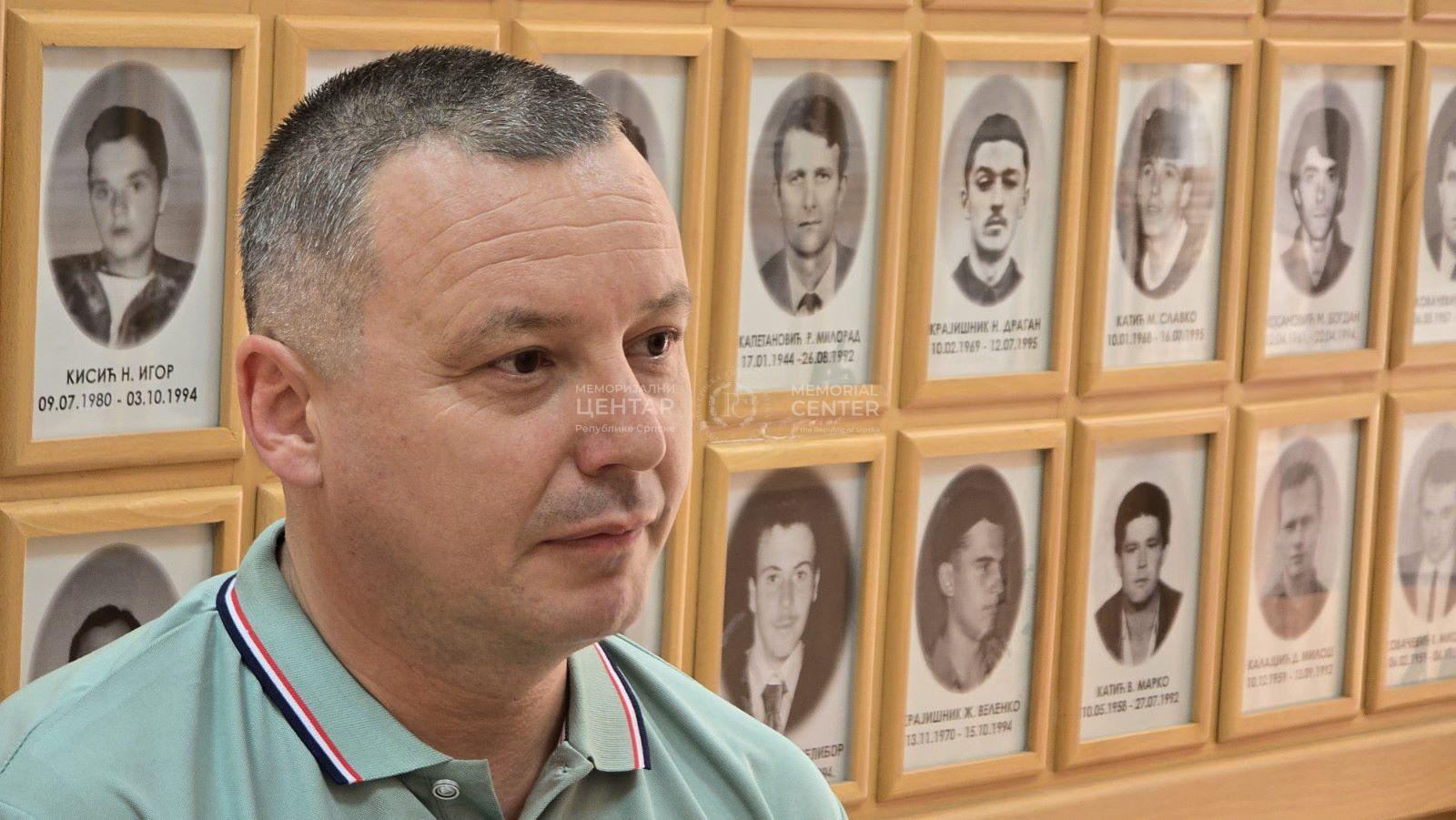
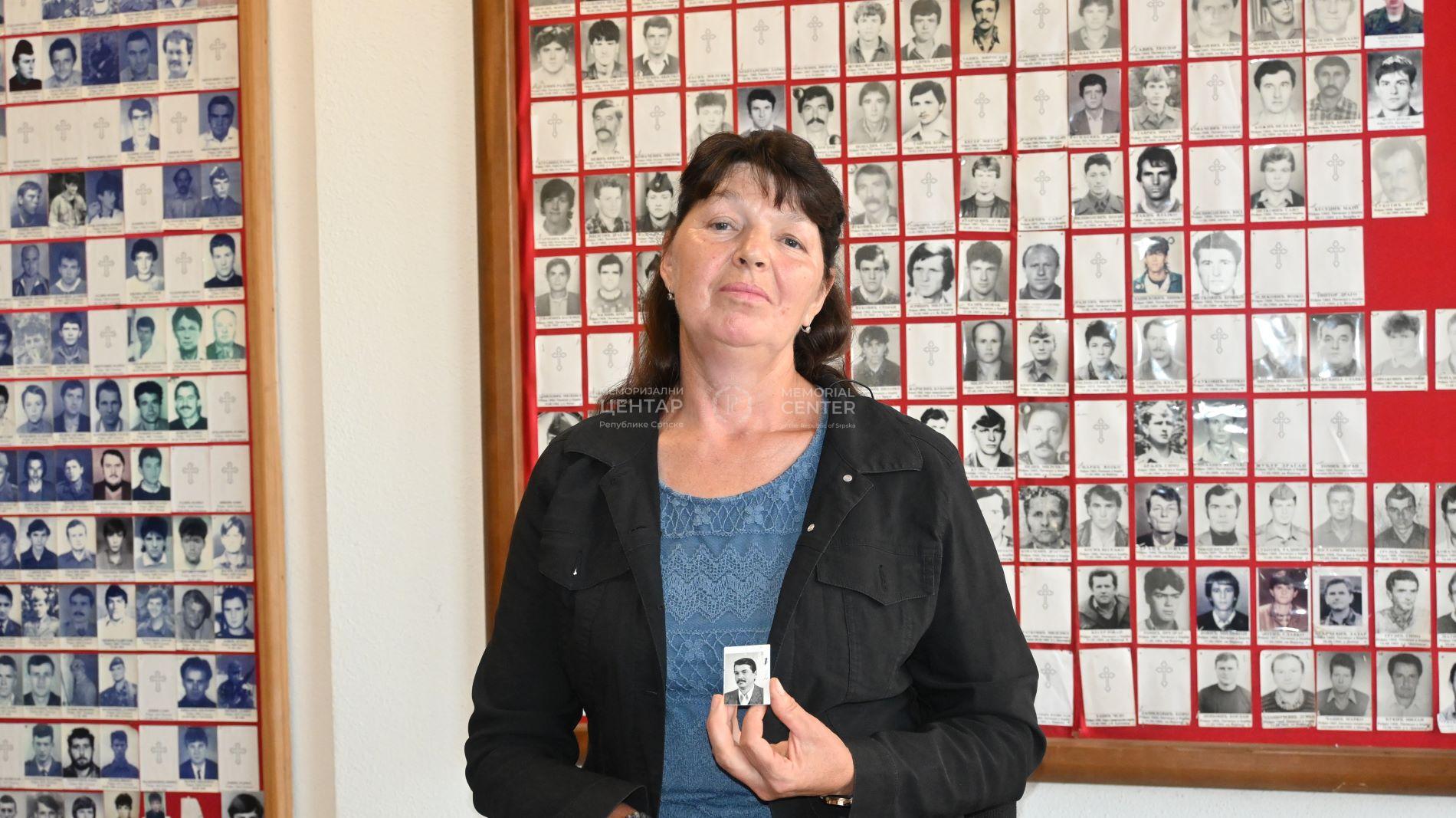
This represents one of the key national projects in the field of the culture of remembrance. Due to its scope, systematic approach, and methodological rigor, it transcends local boundaries and possesses the potential to become a central reference point for academic research, educational processes, and the public use of historical knowledge.
The statements are collected through regional centers, followed by continuous and professional work on their archiving, digital processing, and presentation. As such, they represent a multi-faceted and significant resource: for scholarly research, serving as a source for the critical study of war events and suffering; for the educational system, as new and authentic teaching material; and for the general public, as a foundation for forming a public consciousness of historical processes rooted in truth.
The particular significance of this database is reflected in its accessibility and its potential to influence public discourse, both on a national and international scale. Through digital platforms and institutional representation, these testimonies become a means of re-examining existing narratives, contributing to the dismantling of war propaganda, prejudices, stereotypes, and simplified interpretations of the history of the Serbian people.
The daily work on collecting, processing, and presenting this material continues uninterrupted, guided by a clearly defined mission: preserving historical memory, advancing scientific knowledge, and building a responsible relationship toward the past in both an institutional and social sense.