


At the beginning of hostilities in 1992, the Muslim-Croat coalition held the passages through Posavina blocked, cutting off the northwestern part of the Serbian Republic of BiH (with Banja Luka as its center) and the Republic of Serbian Krajina (with Knin as its center) from the eastern part of the Republic and further toward the then-Federal Republic of Yugoslavia. This left a large population in a strategic encirclement. Shortages of supplies and the insecurity of basic living conditions became increasingly pronounced. The functioning of medical institutions in this area was most endangered, as they were increasingly left without basic medications, and a major crisis was felt in all spheres of society.
In the intensive care unit of the Banja Luka maternity hospital, between May 22 and June 19, 1992, twelve prematurely born babies died because oxygen, essential for their treatment, was unavailable. Dialysis patients and other vulnerable categories were also at risk. The air transport of medical supplies, or any other goods, was not permitted by the UN due to sanctions imposed on FR Yugoslavia.
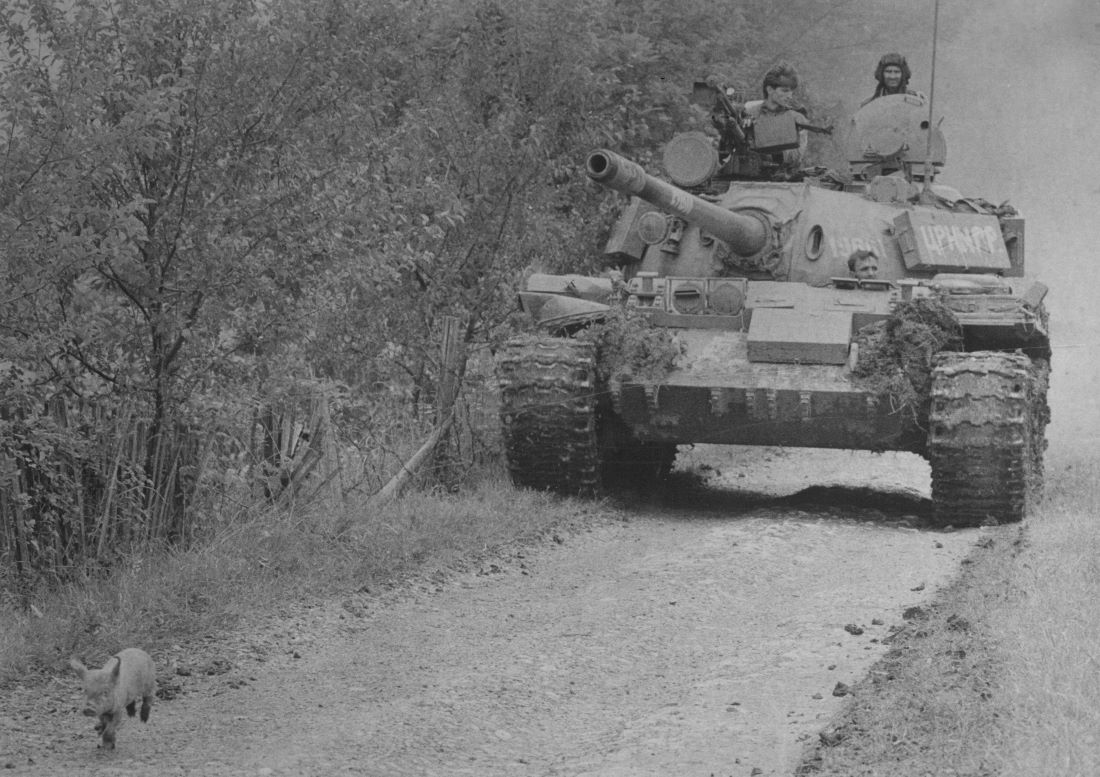
Operation "Corridor-92"
By mid-May, preparations began for an operation by the VSR BiH, whose main goal was clear and required unreserved determination: to secure a passage and a link through Posavina with Semberija and further to the east. To secure a corridor. The primary force was to be the 1st Krajina Corps. Later, the formation of tactical groups commenced.
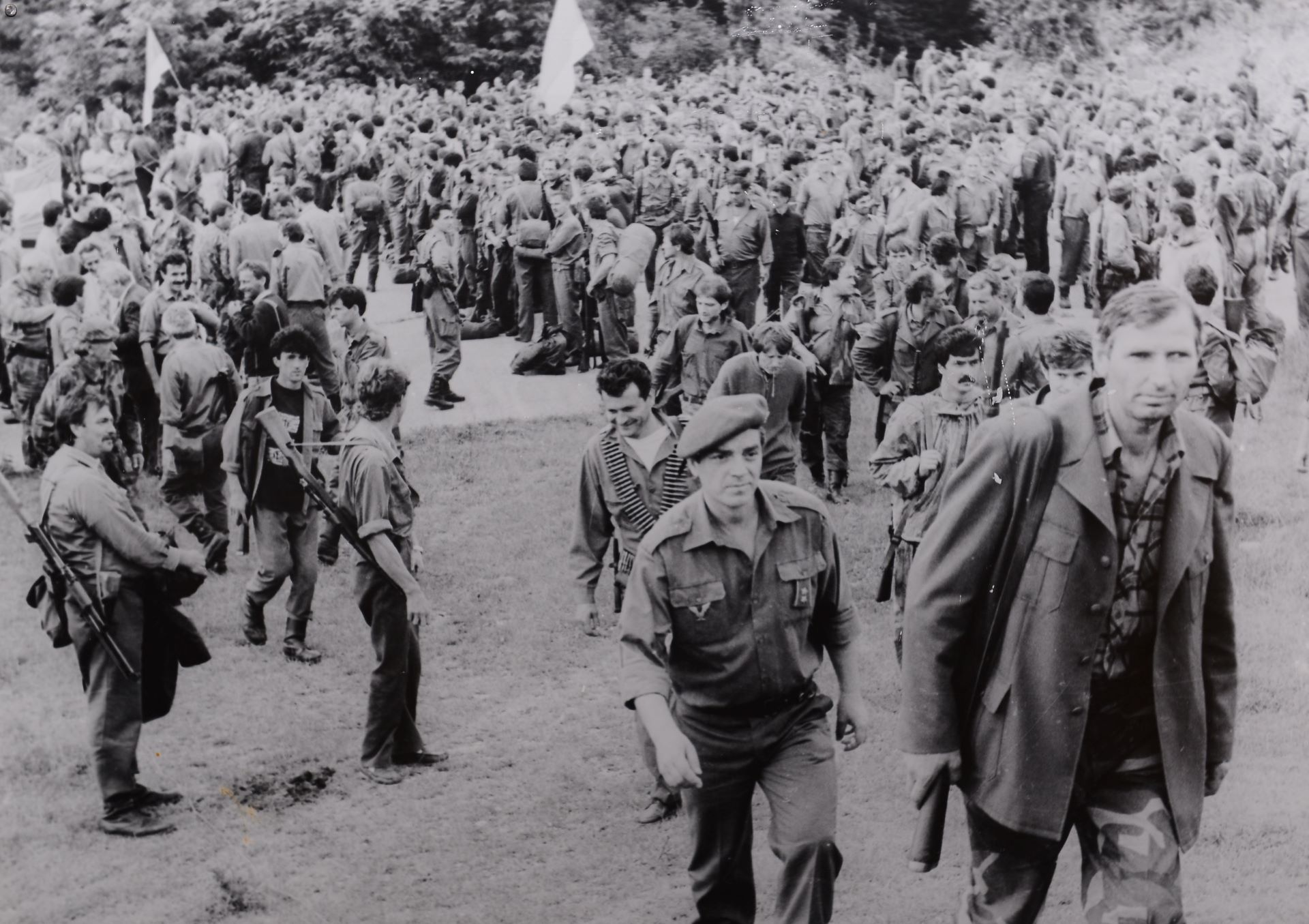
The main force launched Operation "Corridor-92" from the encirclement, while units from the East Bosnian Corps moved to meet them from a semi-encirclement. In addition to units from the 1st KK and the IBK of the VSR BiH, units from the Republic of Serbian Krajina also participated in this operation. The decision for the operation was made in Stanovi near Doboj and announced on June 19, 1992. While the original plan was to begin on June 26, the start of the operation was moved forward by two days—to June 24.
Phase One – Linking of Forces and the Liberation of Modriča
The execution of Operation "Corridor-92," which was also an operation against the aggression of Croatian forces in this area, was planned in three execution phases. In the first phase, a link-up with IBK units was achieved in the Modriča region. The surprise prepared by the commander of the 1st Krajina Corps, General Momir Talić, through early unit maneuvers, as well as attacks from the main and auxiliary directions, led to the long-awaited connection of units in the areas of Miloševac, Kornica, and Čardak in the Modriča municipality. Ultimately, this led to the liberation of the Modriča urban area on the sacred Serbian holiday of Vidovdan and the following day.
This phase will be remembered for the statement made by General Novica Simić after his units successfully completed their task: "THE ROAD IS OPEN. GOOD LUCK!"
Phase Two and Three – Reaching the Sava River and the Liberation of Brod
In the second phase of the operation, the main forces reached the Sava River along the line: the mouth of the Bosna River – Velika Brusnica – Bijelo Brdo. Meanwhile, auxiliary forces were assigned the task of decisive defense of the Teslić and Ozren sections of the front, securing directions toward Gradačac and Gračanica, and coordinating with IBK forces in the defense toward Orašje.
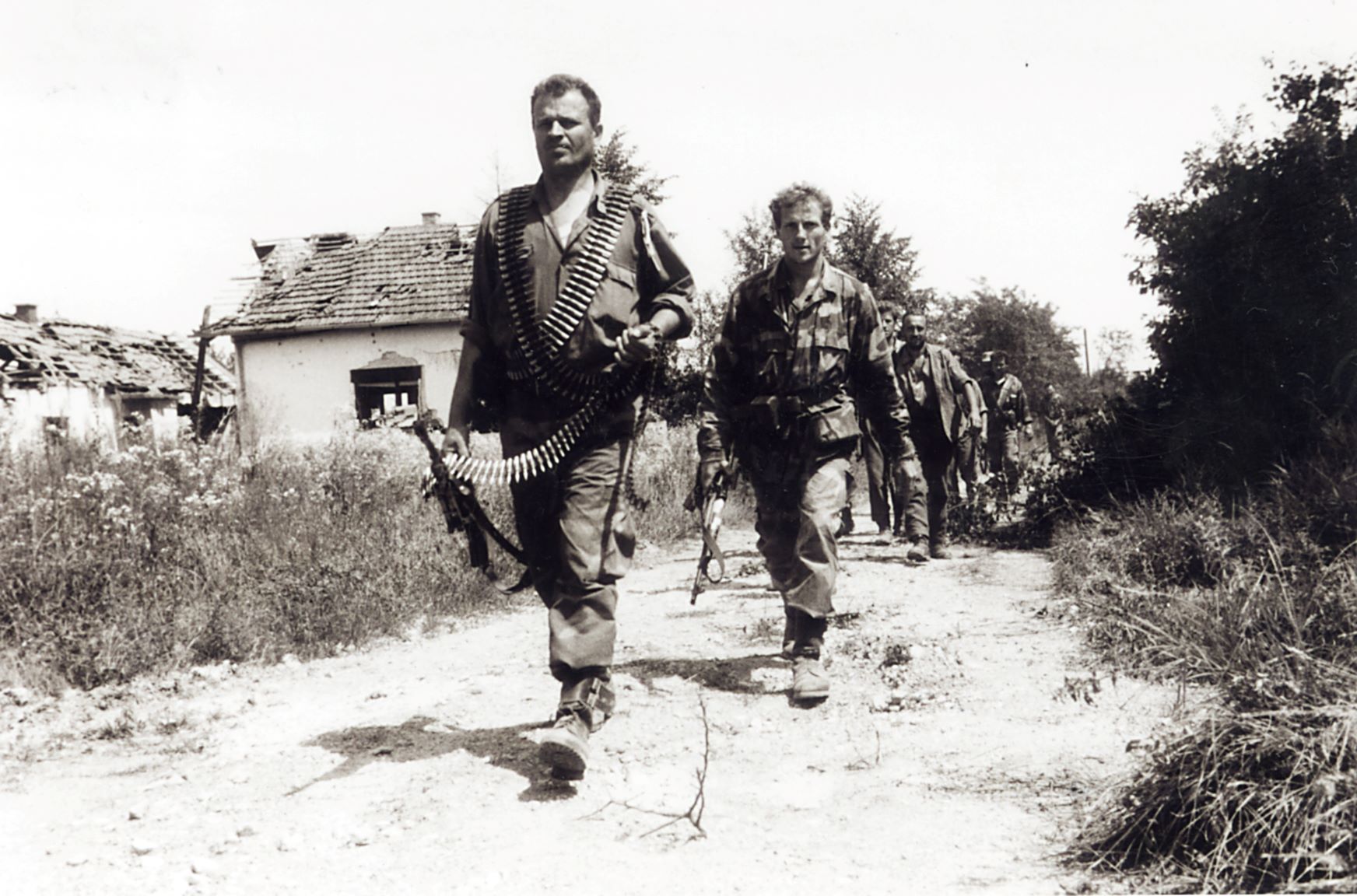
These two phases were completed within the set timeframe thanks to the courage and determination of Serbian fighters in defending their people and state. Great persistence and sacrifice were also shown in the battles of the third phase, which aimed at the liberation of Brod and reaching the Sava River along a wide belt. This was realized after fierce battles for the liberation of Brod and its surroundings in October 1992, though with a delay of 47 days compared to the planned duration.
Crimes Against Serbs and the Significance of the Operation for Republika Srpska
It should always be noted that Operation "Corridor-92" took place in areas where, at the beginning of the civil war, systemic and brutal crimes against Serbs were committed by the Croat-Muslim coalition. This is evidenced by the large number of murders, mass graves, and places of detention and camps found after the liberation of Posavina during this operation.
According to data from the Republic Center for Research on War, War Crimes, and Search for Missing Persons, 895 fighters lost their lives in the battles preceding Operation "Corridor-92" and throughout all its phases.
Due to its significance for the existence of Republika Srpska, the successes of an army that emerged during the war while defending its own people and state, and the readiness for sacrifice, Operation "Corridor-92" remains recorded as one of the most significant victories in the history of the Serbian people and state.
Operation "Corridor-92" holds a special place in historiography and the culture of remembrance regarding the Defense and Homeland War. Participants themselves, military personnel, historians, journalists, and many others have written about it. Several documentaries and TV shows have been filmed to commemorate its importance.
Recommended Literature:
- Новица Симић, Operation "Corridor-92", БОРС, Бања Лука 2011.
- Војска Републике Српске, приредили: Др Драгиша Јуришић, Др Предраг Обреновић, Љубиша Вулин / The Republic of Srpska Army, Dragiša Jurišić, PhD, Predrag Obrenović, PhD Ljubiša Vulin, РЦИРЗ, Бања Лука 2022.
- Марко Аћић, Операција „Коридор-92“ – свједочења хероја, РЦИРЗ, Бања Лука 2024.