
Novosti: Remembrance is the highest form of fighting for the truth
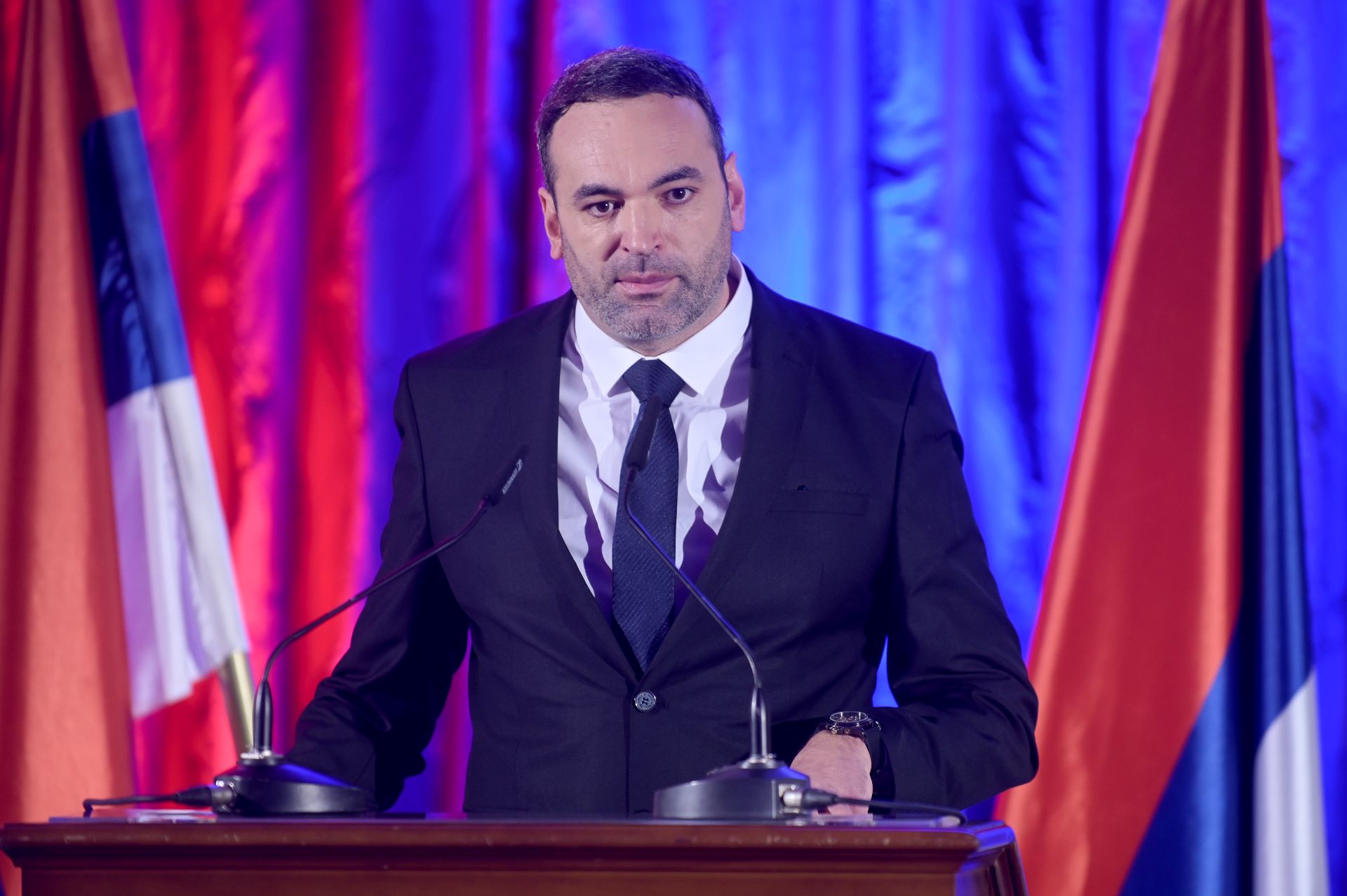
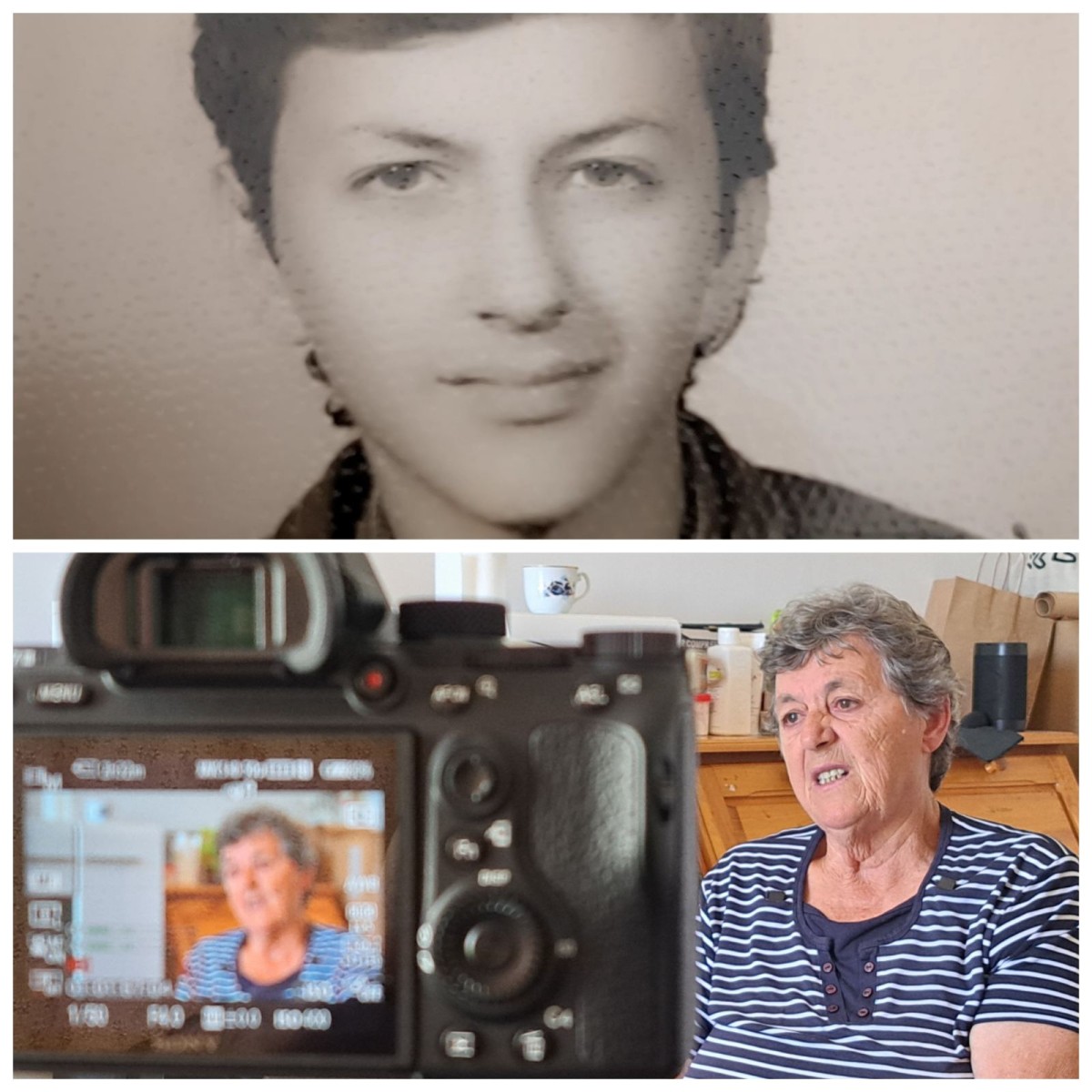
The main task of the Memorial Center of the Republic of Srpska is to preserve the truth about the suffering of the Serbian people permanently, systematically, and above all in a contemporary way. The foundation of our work consists of audiovisual testimonies—direct records from those who survived crimes, lost their loved ones, or witnessed suffering. This represents a new step in Serbian culture of remembrance, not as a replacement for history and science, but as their complement and revitalization. Historians, books, and documents remain the pillar, but now they gain a new dimension: voice, face, emotion, and human authenticity, gathered in the largest database of recorded testimonies about Serbian suffering ever created, says Denis Bojić, Director of the Memorial Center of the Republic of Srpska, in an interview for “Novosti.”
The Memorial Center has been actively operating since April of this year. In that period, we have established a network of studio centers across the Republic of Srpska, created a digital archive, and developed a methodology by which every testimony becomes a permanent document of truth. Our goal is clear: to ensure that the truth can never again be silenced, distorted, or falsified. Audiovisual testimonies represent the future of Serbian culture of remembrance and memory. They do not exclude what was created before them, but elevate it to a new level—giving every lost life, instead of a statistical number, a human face—through the only one who carries the authority of truth about the victim: through the memory of a surviving family member or through the person testifying about their own suffering, Bojić emphasizes.
He states that the Memorial Center of the Republic of Srpska is not merely an institution, but an emerging system that protects the people’s right to preserve themselves through truth.
“Our goal is for every future generation to have access to evidence, voices, and faces of those who survived, so that forgetting can never again be possible. This work is not only our duty to the past, but a key for our children, wherever they may live in the world. Through confessions and memories, through recorded voices and faces, they can understand what happened to us—not through someone else’s interpretations, but through the words of those who were witnesses. This is the way for our children, born in the diaspora, in other languages and cultures, not to lose connection with the truth of their people. The President of the Republic of Srpska and the Government of the Republic of Srpska have recognized the importance of this mission and the impact of modern technologies in the field of the culture of remembrance. This is today a strategic goal of the Republic of Srpska—to make remembrance institutional, contemporary, and accessible to every person, wherever they live. Because the culture of remembrance and memory is no longer just a moral obligation, but a national priority,” Bojić explained.
According to him, so far, in cooperation with related organizations from the Republic of Srpska and Serbia, nearly a thousand testimonies have been recorded and collected from family members of killed and missing civilians and soldiers, as well as from all those whose fate bears witness to the suffering of our people. These include testimonies of suffering Serbs from Kosovo and Metohija, from Croatia, as well as testimonies from the Second World War and legacies that have been entrusted to us.
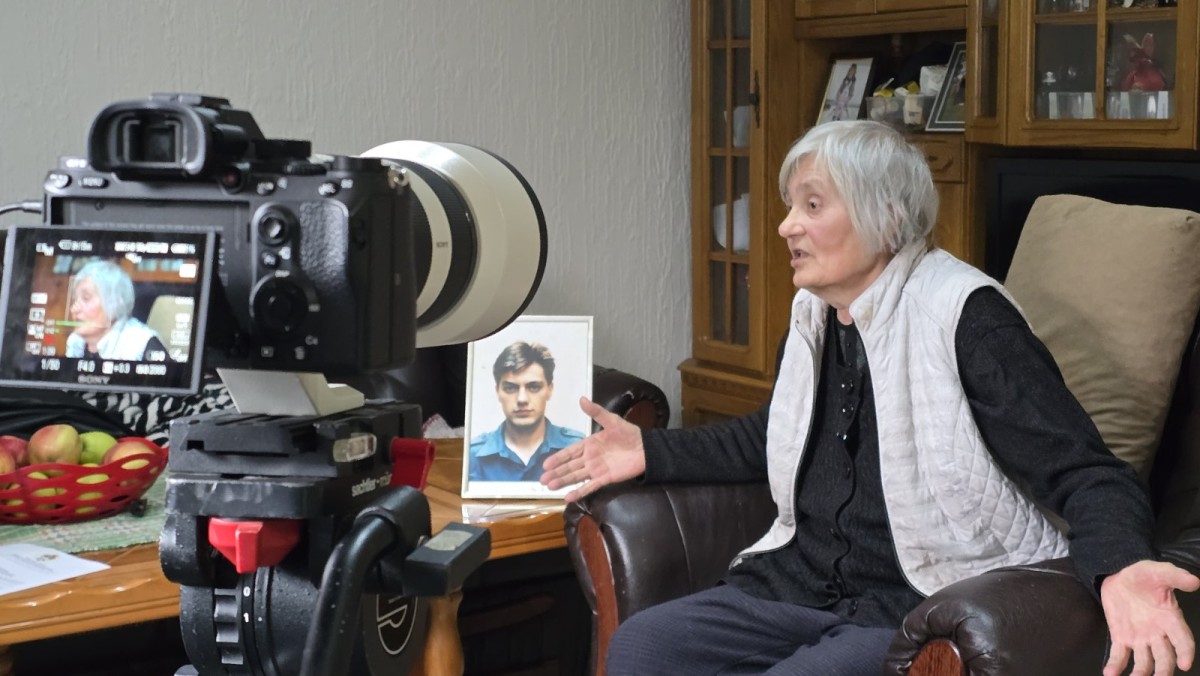
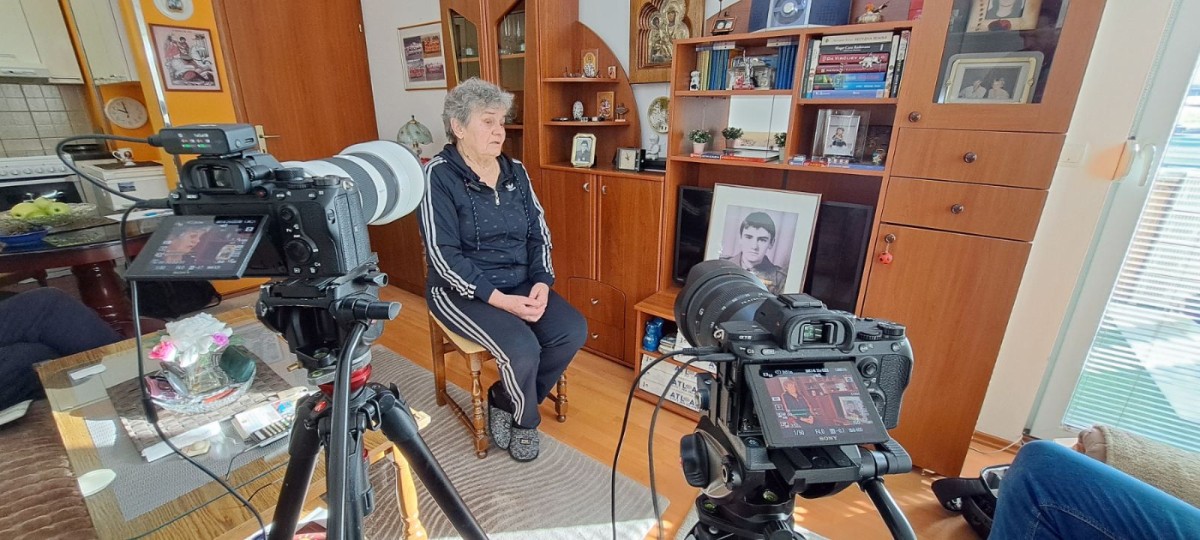
“Every testimony is recorded in audiovisual format—the person speaks in front of the camera in their own words about what happened. That is the strength of this project: testimony is no longer text to be interpreted, but a human voice that is remembered. That is why every recording is at the same time evidence and testimony, historical document and moral message. Our people have preserved memory for centuries through books, documents, and oral tradition. We continue that heritage, but now through technology that allows the word, voice, and gaze to remain forever. This is the first time the Serbian people are creating an archive that has the power of globally accessible emotion and truth at the same time,” Bojić emphasized.
All testimonies are preserved in the central digital archive of the Memorial Center of the Republic of Srpska. This is a technological and archival system that integrates video testimonies, documents, forensic findings, photographs, and scientific sources.
“In this way we are creating a national memory base, accessible to researchers, students, institutions, all people, and all future generations. Audiovisual testimonies are particularly important because they connect all elements: fact, emotion, evidence, and the human being. When you look at the face of the witness and hear their voice, you understand history on a level that no book alone can achieve. Books and scientific works remain the foundation—they provide the framework, and we add the dimension of life. Together they form an indivisible whole,” Bojić notes.
He points out that at the beginning of next year they plan to launch a publicly accessible digital platform through which anyone will be able to access the recorded testimonies and documents, as well as, in a broader strategic goal, the construction of a multimedia museum dedicated to the creation of the Republic of Srpska.
When collecting confessions from suffering Serbs, Bojić says, what strikes most is the moment when a person, for the first time after decades of silence, speaks out about what has been weighing on them.
“That is not just a conversation; it is an act of liberation. When the witness speaks in front of the camera, their voice and gaze become a historical document. What remains particularly impressive is that people do not seek revenge. They seek for their truth not to disappear. In that moment you feel that every testimony is not only a personal confession, but an act of responsibility toward the entire people, and that we are all together part of a national mission and creators of a new historical process,” Bojić says.
The Director of the Center notes that the suffering of Serbs was comprehensive and systematic—from western Slavonia, Lika, and Krajina, through central Bosnia, Posavina, and Podrinje, to Kosovo and Metohija—the same pattern: persecution of civilians, destruction of Serbian identity, erasure of traces. The most monstrous crimes were against captured soldiers, women, and the elderly, where there was no army, no fighting, only the intent to erase the people.
“This is a process that cannot have an expiration date. We estimate that the first phase of collection will last between five and seven years, but that is only the beginning. We have established studio centers across the Republic of Srpska, and in line with production resources we are also recording in the diaspora, because many witnesses live outside the country. Time is pressing because witnesses are biologically disappearing, but truth does not age. Every testimony we record saves one voice from vanishing. Our goal is not to count testimonies, but to create an institutional system and way of remembrance and memory that will last beyond us and will be understandable to future generations and everyone around the world. That is why testimonies will be translated into as many foreign languages as possible, so that the Serbian people may, perhaps for the first time, have a globally accessible argument about their suffering.”
He also mentions that they encounter situations where no one remains to speak about a killed civilian or soldier.
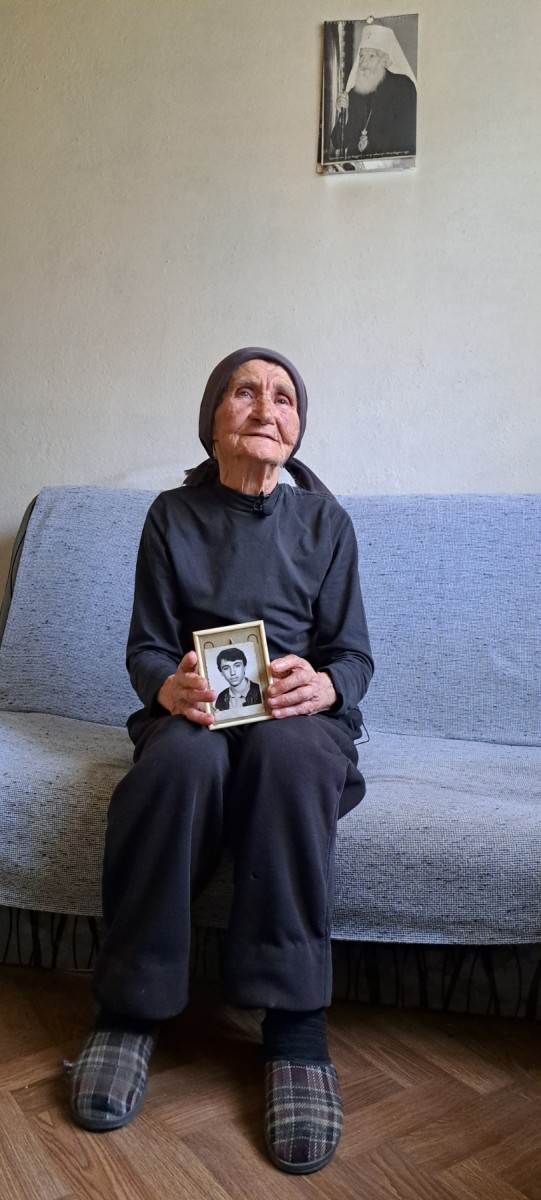
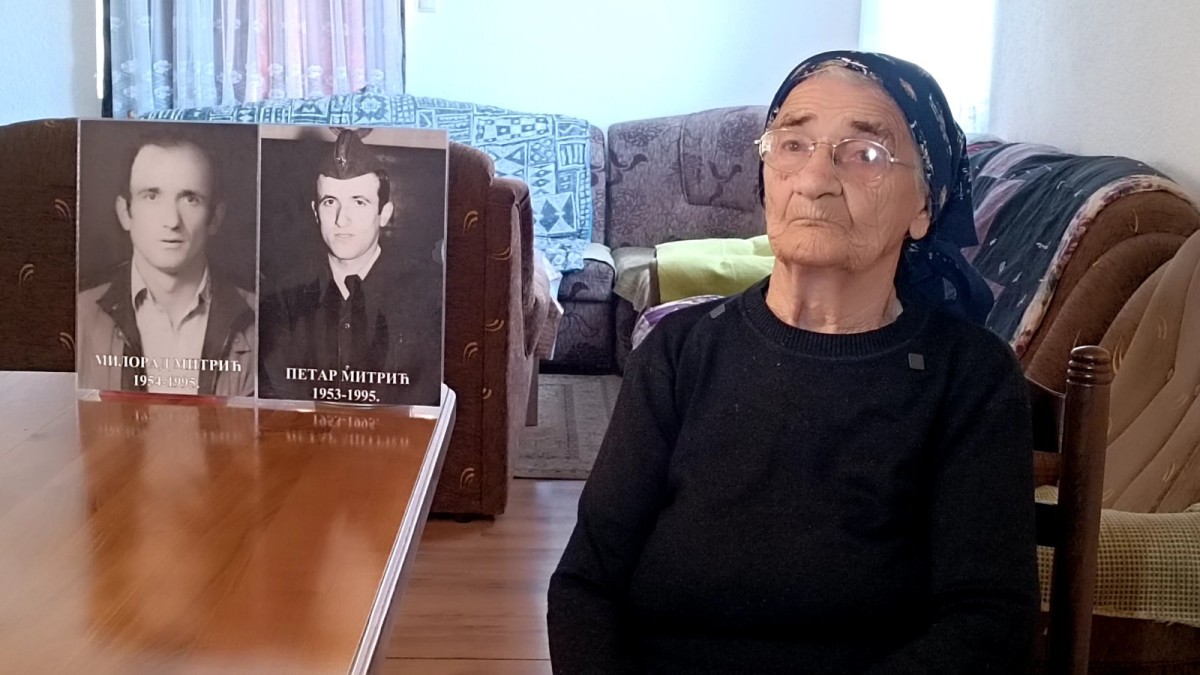
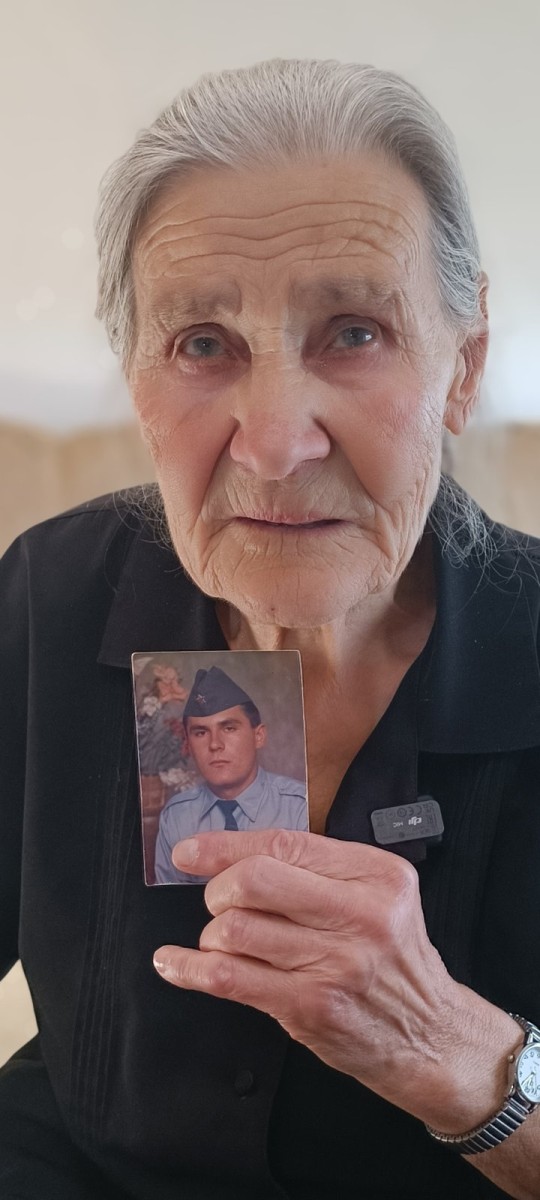
“Yes, and that is one of the greatest dangers. There are places where there are no longer living witnesses, where only the land remembers. That is why every day carries weight and the need for active action. We work in parallel: collecting testimonies, but also documents, forensic findings, photographs, and archival evidence. In this phase, priority is given to recording parents of killed and missing fighters and civilians, who are mostly in their later years,” Bojić says.
He explains that when people are approached with respect, when they feel someone is truly listening to them, they speak.
“The camera becomes a witness, but also a liberator. People have realized that their silence allowed others to speak in their name. That is why today they speak openly, with dignity, and calmly. People leave the recordings with the feeling that they have done something they owed to themselves, their family, and their people. That is a true act of remembrance. Of course, there are also those for whom going through the process of re-traumatization is difficult. With deep understanding, we leave enough time so that the person, whenever they are ready, can leave and record their memory,” Bojić emphasizes.
Film
Bojić says that films about the suffering of our people are also part of the activities of the Memorial Center of the Republic of Srpska.
“Through documentary film we connect fact and emotion, science and art. After the film ‘Witness,’ which was dedicated to Dr. Zoran Stanković and all our victims, we are working on new projects that present Serbian suffering through personal stories and evidence.
“We are currently in the final stage of production of the film ‘The Only One,’ about the most severely war-disabled veteran of the Republic of Srpska, Veljko Trbić. The film has the power to cross borders, to convey truth where documents cannot reach. It is the most accessible form of historical testimony for the contemporary world,” Bojić explained.
Memorandum
The Memorial Center has already signed memoranda of cooperation with numerous organizations originating from the Defense-Patriotic War, as well as with local communities across the Republic of Srpska and Serbia. Together we work on collecting testimonies, documenting suffering, and creating a permanent digital archive of Serbian memory. This partnership shows that truth is preserved not only in institutions, but also in the unity of the people and the state.
Source: News
Gallery