



In September 1995, as NATO air strikes on the Republic of Srpska entered a wider phase, on the Ozren-Vozuća battlefield – which was of great importance to the warring sides – Muslim forces launched an offensive on 10 September from multiple directions against Serbian territories, in full coordination with the bombing and the actions of rapid intervention forces.
Ozren and Vozuća had resisted a large number of Muslim attacks throughout the war. In the autumn of 1995, Vozuća and its surroundings were defended by the 4th Ozren Brigade, parts of the Srbačka Light Infantry Brigade and members of the Ministry of the Interior, as well as the temporarily formed 14th Serbian Brigade, composed of individual units of the 1st Krajina Corps of the Army of the Republic of Srpska (VRS). The attackers had a significant numerical advantage – over 23,000 troops from units of the 2nd and 3rd Corps of the so-called Army of BiH, as well as from the El Mujahideen and 7th Muslim Brigade units, composed of religious fanatics from abroad and local Muslims. Depending on its components, the Muslim side called this action in its documentation “Farz-95”, “Uragan 95” or “Badr al Bosna”.
Beginning of the Attack
A large-scale attack on the Paljenik feature, which was considered a key position, began at 6:00 a.m. on 10 September 1995 against the positions of the 2nd Battalion of the Srbačka Brigade, the police company from Doboj and one company of the 16th Krajina Motorized Brigade. Neither the significant losses in minefields, nor artillery and mortar fire, nor the resistance of VRS members stopped the attackers in capturing Paljenik and in their further advance. Members of the Srbačka Brigade of the VRS suffered heavy losses in the defense against this assault. The village of Medići was in flames, Ljеskovac and Lokva soon fell, the Muslim vanguard entered Stog at half past eight, but bloody fighting continued in the hinterland on the isolated features of Čukuri, Stolić and Grad, which held out until noon.
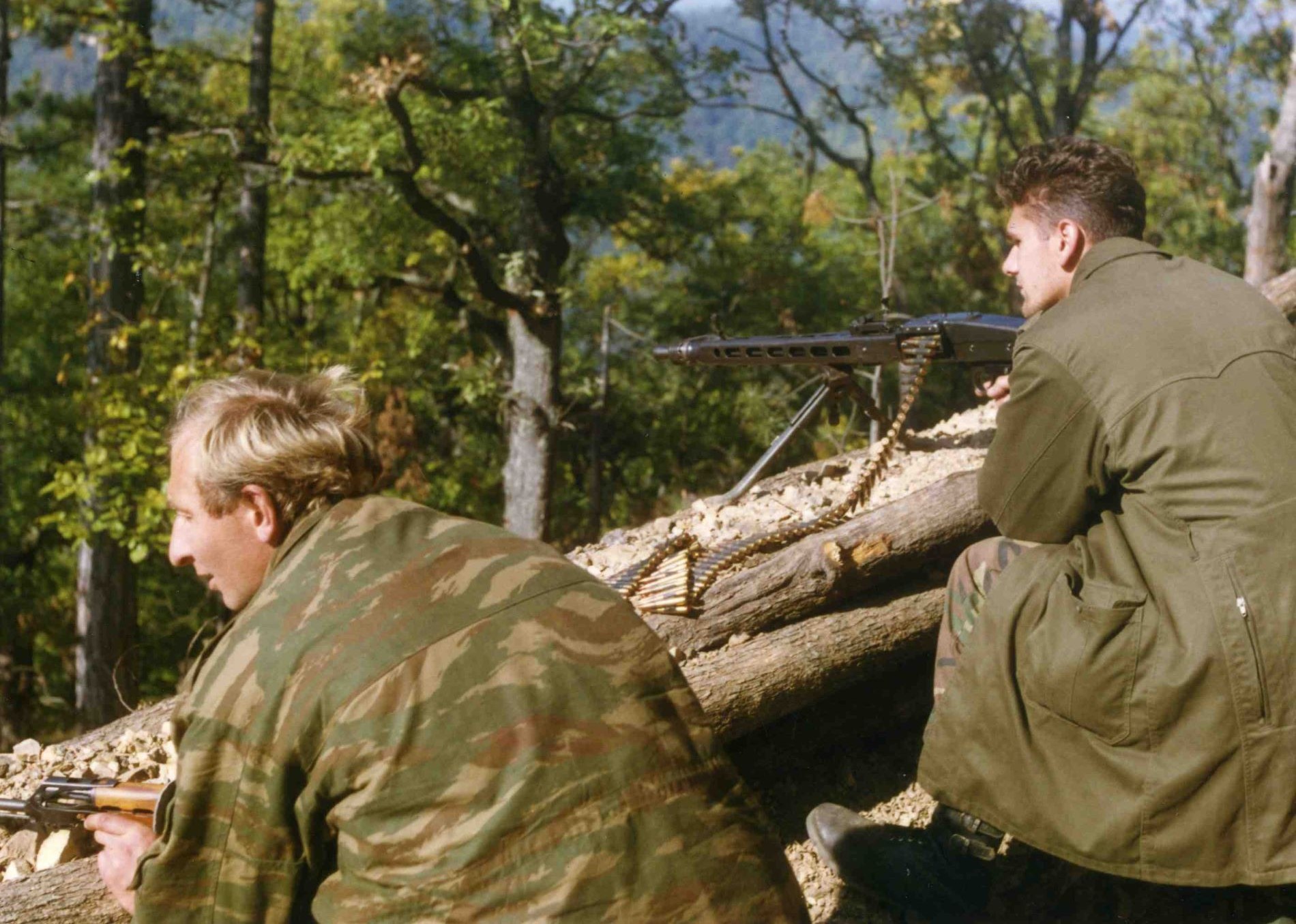
On the other axis along which the Muslim forces attacked, the Serbian defense in the Lozna area held out for a full three hours, repelling all attacks by the 2nd Corps forces. Units of the 21st Division of the so-called Army of BiH broke through the defense in the Dugo Brdo area at 9:30 a.m., entered Mrahorovici and continued advancing towards Stog. Serbian villages were burned, and property was destroyed and looted. Protecting the withdrawal route, the defenders at Klupa fought to the limits of their endurance, repelled several attacks and only succumbed around 1:00 p.m.
Fall of the Territory, Deaths, Murders, Captures
After heavy fighting, units of the Muslim 2nd and 3rd Corps linked up and cut off Vozuća. In the following hours, part of the civilian population and fighters were evacuated deeper into Ozren from the encirclement. Losses were heavy, especially in the 4th Ozren Brigade.
Members of the El Mujahideen detachment, at the focus of the Muslim attacks, killed everyone they encountered during their advance. The next day, on 11 September, Muslim forces captured Vukadinovo Brdo, Kremen, Kvrga and Plavetno Brdo, and Muslim President Alija Izetbegović met in the center of Vozuća with the highest-ranking officers. The mujahideen and their commanders were also present.
Attempted Evacuation and Capture
More than 60 VRS fighters, as well as a certain number of civilians, including women, were captured and taken to the town of Kesten, to the so-called Youth Home, and from there to the mujahideen camp in the village of “Kamenica”, where they were subsequently liquidated by ritual murders, brutal torture and other means.
Consequences
Fighting in the area continued in the following days. The Army of the Republic of Srpska sought to stabilize the front in this sector and to establish a new defense line deeper inside Ozren. The fighting finally stopped on 12 October with the ceasefire that preceded the Dayton Peace Agreement on the overall level. By that agreement, the territory of the former Vozuća municipality was ceded to the Federation of BiH, while in Vozuća itself remained the destroyed and damaged buildings of the Serbian Orthodox Church, more than 4,000 looted and destroyed Serbian houses, and around 70 devastated villages and hamlets.
Mass Graves – Witnesses of the Crimes
In the post-war period, numerous mass graves were discovered in this region, such as the one near the church in Stog near Zavidovići. Exhumations were carried out there in November 1997, during which 21 bodies of VRS fighters and civilians were recorded, 14 of which were headless. Also, on the bank of the Gostović River, about 15 kilometers south of Zavidovići, more than a decade after the events, in 2006, the remains of several bodies that had been moved from primary to secondary graves were found. It can be said that a characteristic of the mass graves in this area is that a significant number of the remains were without heads or with heads severed from the bodies, which speaks of the nature of the crimes committed by the Muslim forces.
Missing Persons
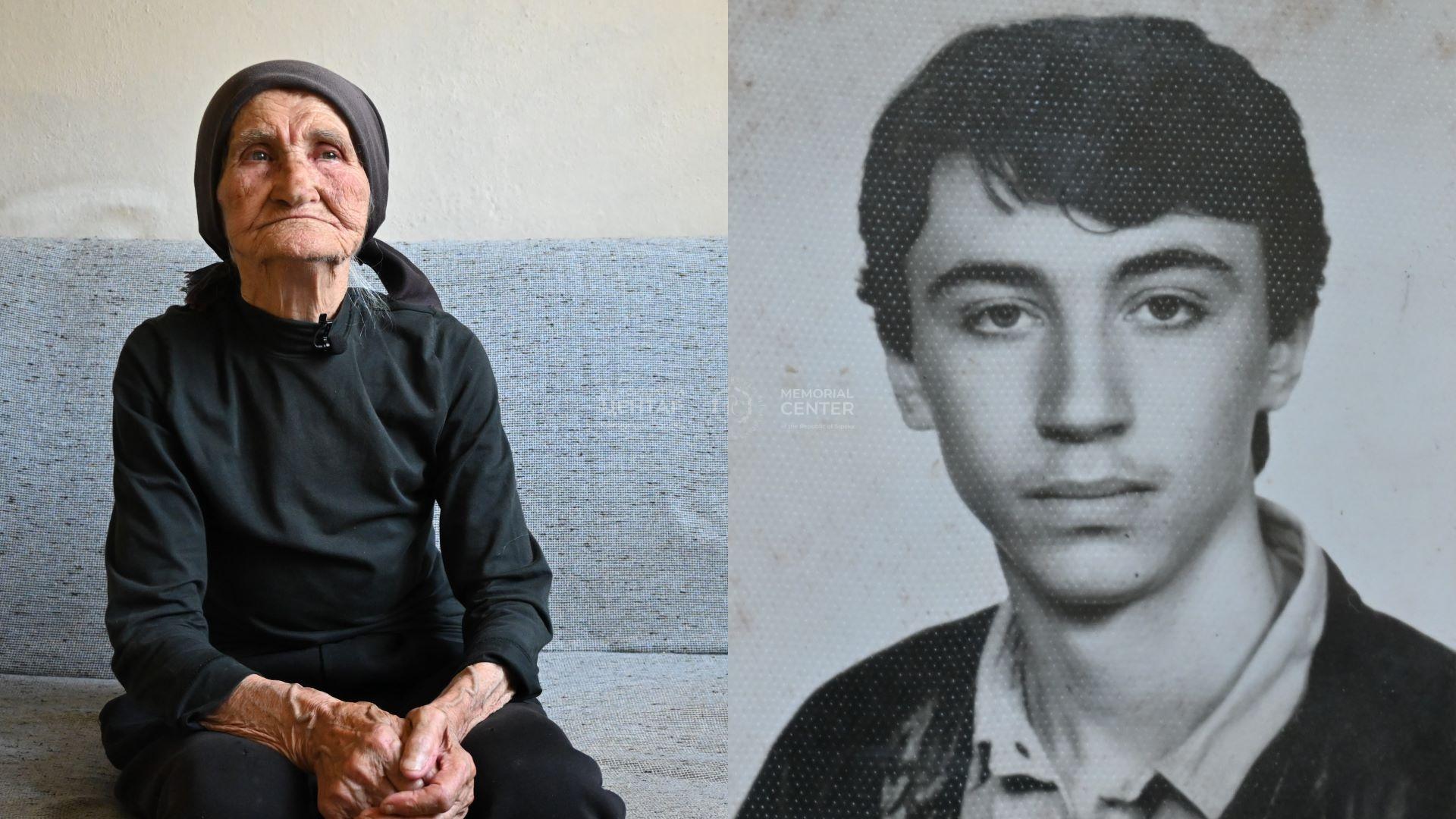
The heavy losses are also indicated by the fact that after the fall of Vozuća, more than 463 Serbs were listed as missing in this area. Searches continue for some of them to this day; their bodies are being hidden, and there is silence about it both individually and institutionally at the level of BiH.
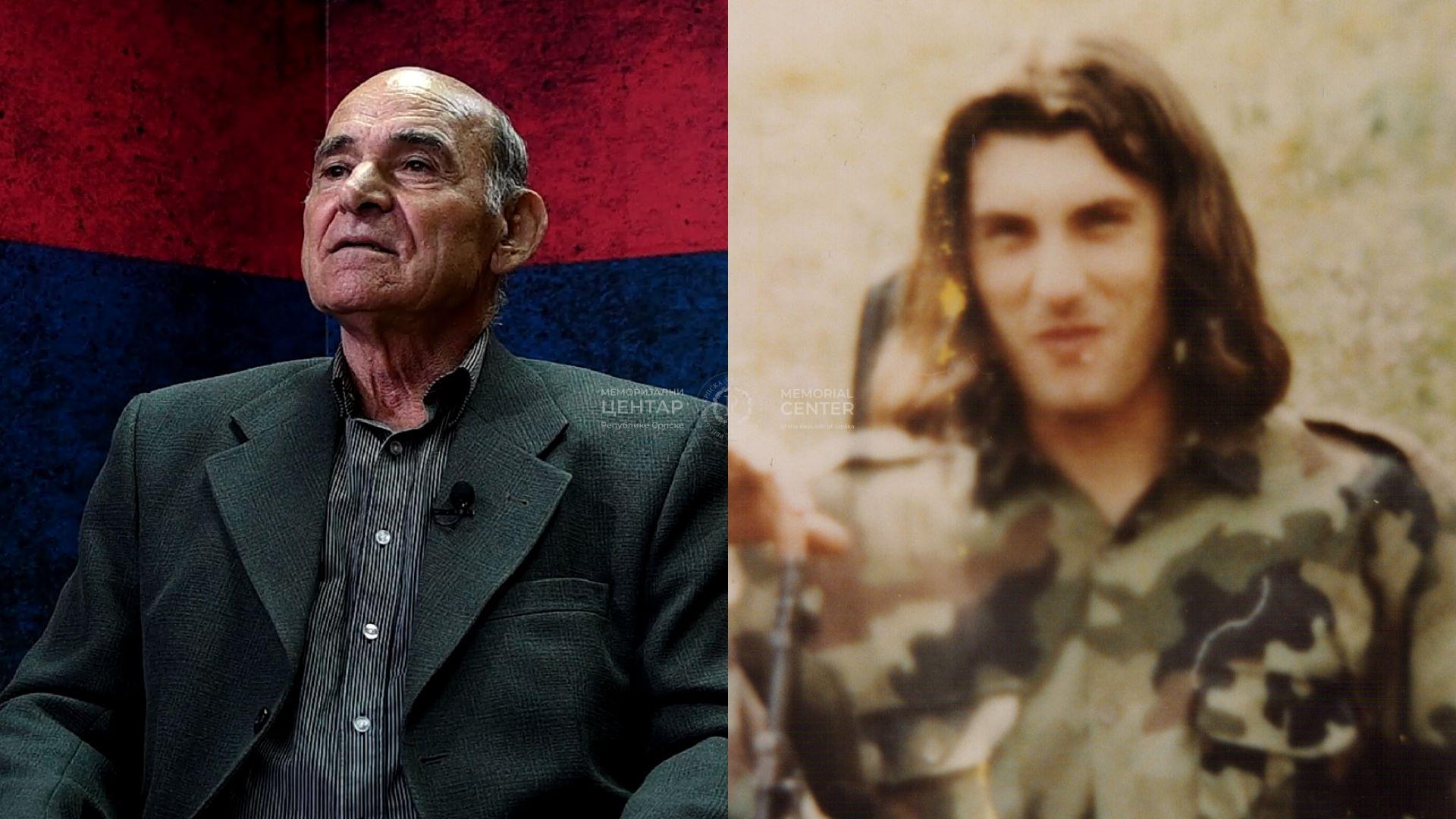
The families of the fighters and residents of Ozren, Vozuća, Doboj, Srbac, Prnjavor and other places from which the fallen Serbs originated still preserve the memory of their loved ones today and fight for the truth about the suffering, the struggle and the crimes against Serbs to be transmitted both at the domestic and international level.
Recommended Literature:
- Бојан Димитријевић, „Војска брза као вјетар“, Војска Републике Српске у рату 1992-1995, Нови Сад, Београд, Бања Лука 2023, 358-359.
- Виктор Нуждић, Дарио Новковић и Мирослав Љубојевић, Страдање Српчана на Озренско-возућком ратишту, РЦИРЗ, Бања Лука 2018, 36-40.