
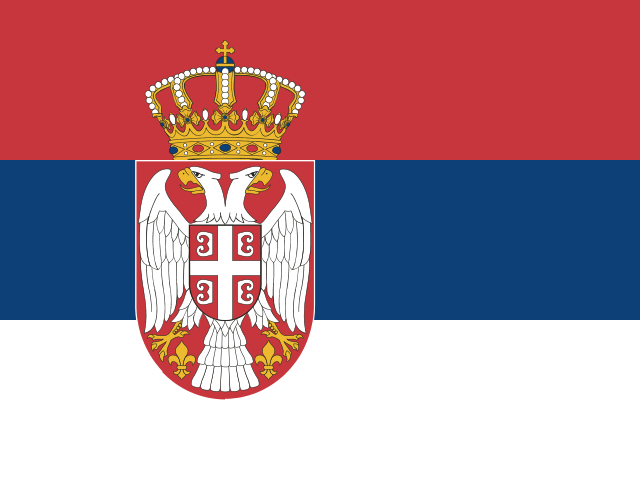


The Genocide against Serbs in the Independent State of Croatia (NDH) was a systematic attempt by that state to completely destroy the Serbian population within its territory. In its shortest definition, genocide implies a systematic, planned, and premeditated attempt to destroy a racial, ethnic, religious, or national group.
In addition to this systemic crime, the Independent State of Croatia also carried out the intentional and total destruction of Jews and Roma during World War II. The events on the ground were interconnected within a brutal wartime context. While the "banality of evil," the magnitude of the crimes, and the suffering of the victims are difficult to fully comprehend, it can be stated with certainty that three genocides were committed within the NDH.
The Foundation of the NDH and the Ideological Roots of Crime
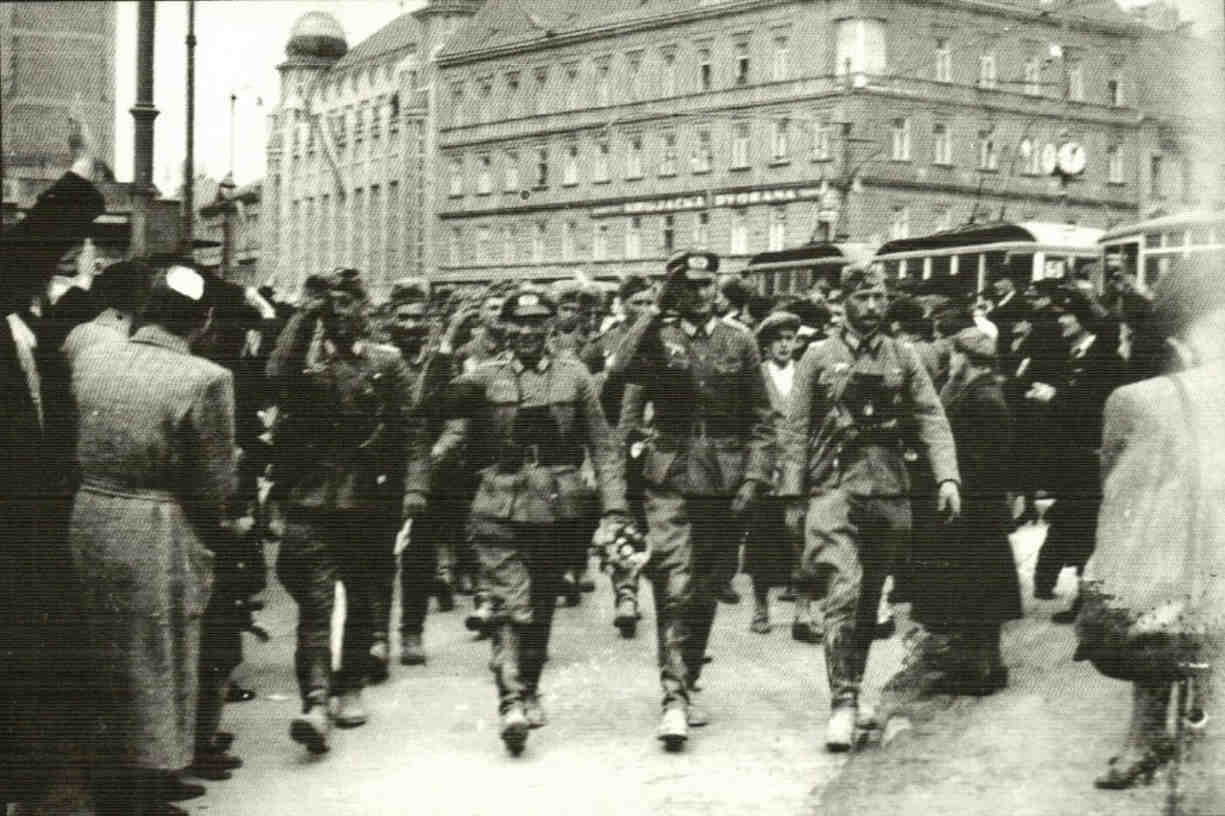
The Independent State of Croatia was established on April 10, 1941, following the Axis invasion of the Kingdom of Yugoslavia. It encompassed most of present-day Croatia, the entirety of Bosnia and Herzegovina, and smaller parts of Serbia (Syrmia up to Zemun, and briefly, parts of Raška).
The execution of the Genocide against Serbs and the creation of an ethnically pure Croatian state were planned even before the outbreak of World War II. This was shaped by the ideology of the Croatian Party of Rights (Pravashstvo) and the activities of segments of the Roman Catholic Church, united under the concept of the so-called "Croatian State and Historical Right." This concept of a single "political nation" matured in Croatian circles during the mid-19th century, although the historical roots of intolerance and dehumanization of Serbs run much deeper.
Preparations and Plans of the Ustashe Movement
Even while in emigration during the interwar period, the leaders of the terrorist Ustashe movement studied forms of mass violence, such as the Armenian Genocide committed by Turkey, intending to apply similar methods to Serbs.
Later, after seizing power in the NDH, they continued to consult with their Nazi partners and role models.
The target was approximately 2,000,000 Serbs, an indigenous population that had lived for centuries in the territory of the NDH (which had a total population of about 6,000,000). The state was declared as part of the new Nazi order.
The deportation and forced conversion of Serbs to Catholicism were only components of a broader project of destruction.
Methods of Destruction and the Nature of the Crimes
Beyond individual and mass killings, the most drastic and obvious part of the effort involved the establishment of a vast network of concentration camps.
A defining characteristic of the genocide in the NDH was the exceptionally cruel nature of the executions. This included throwing victims into karst pits (natural chasms) in Lika, Dalmatia, and Herzegovina.
The crimes were marked by a monstrous degree of sadism and direct contact between perpetrator and victim: throat-cutting, murders with sledgehammers and other blunt objects, and hangings. The sheer brutality of these acts even horrified members of German and Italian military formations.
The Role of the State and Society
From the very beginning, the genocide was sanctioned and managed by the state. The NDH utilized its entire bureaucratic, military, police, and transport infrastructure to carry out the crimes.
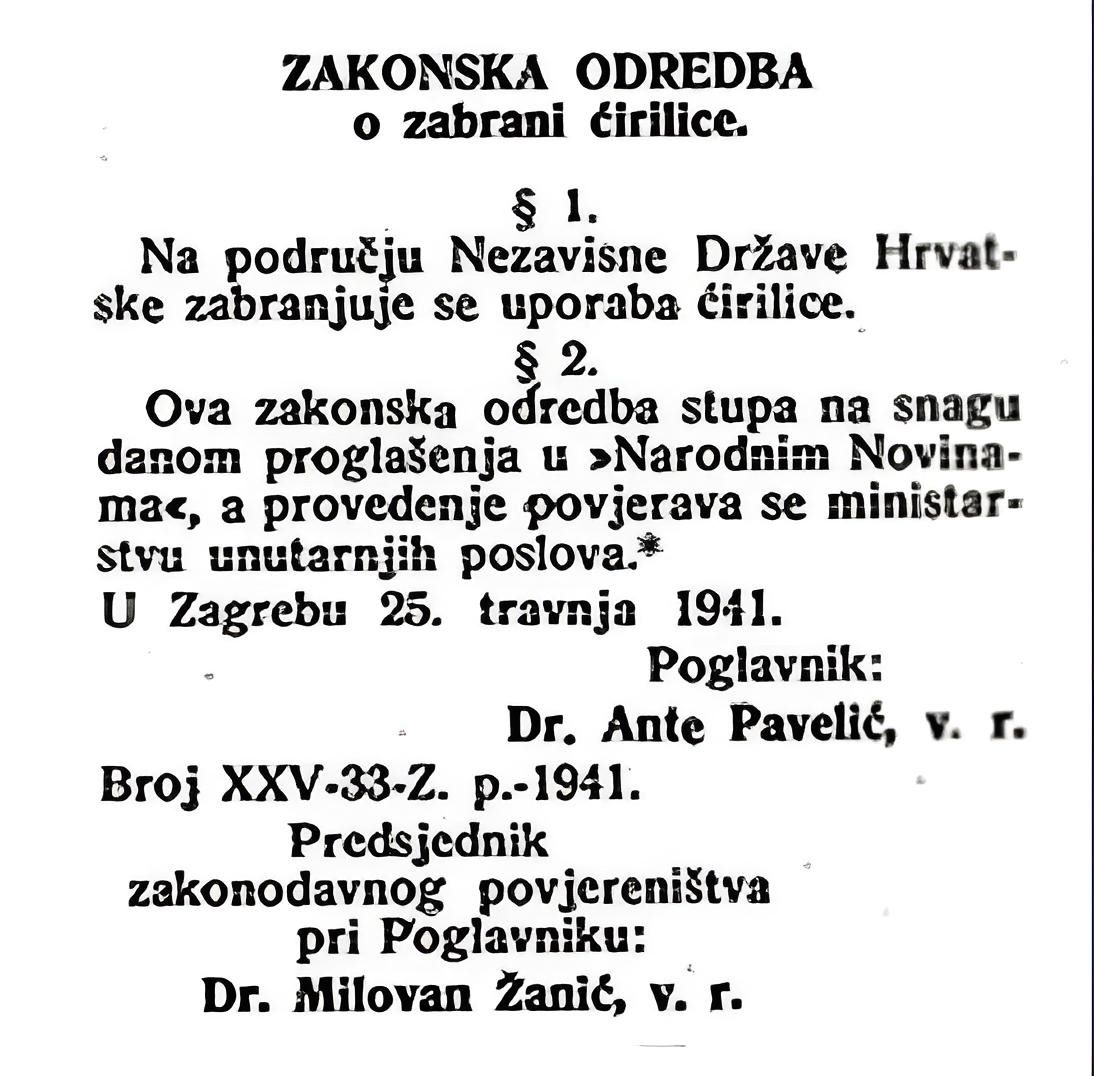
Racial and anti-Serbian laws were part of a system of destruction modeled after Nazi racial decrees.
In addition to the direct perpetrators, a significant portion of society in the NDH supported these crimes, while others remained passive observers.
The few who were brave enough to condemn the violence often ended up in camps or joined resistance movements.
A significant number of Muslims also participated in the crimes against Serbs, particularly at the beginning of the war, as they enjoyed a special status within this Nazi-allied state.
Mass Crimes and Killing Sites Across the NDH
Mass atrocities against Serbs were committed throughout the NDH.
Locations such as Prebilovci and Pridvorica in Herzegovina, Stari Brod on the Drina, Drakulić, Šargovac, and Motike near Banja Luka, Garavice near Bihać, Glina, Livno, and others became stages for unimaginable crimes against thousands of women, children, and men, killed solely because of their Serbian Orthodox identity.
Railway transports carrying large numbers of Serbian prisoners destined for liquidation arrived from all parts of the NDH.
According to historians, the NDH operated 24 concentration camps and hundreds of other places of detention.
The two largest systems of death camps were: Gospić–Jadovno–Pag: Operated from April 1941 to August 15, 1941. Jasenovac: Operated from late August 1941 until April 22, 1945, when the last group of prisoners staged a breakout.
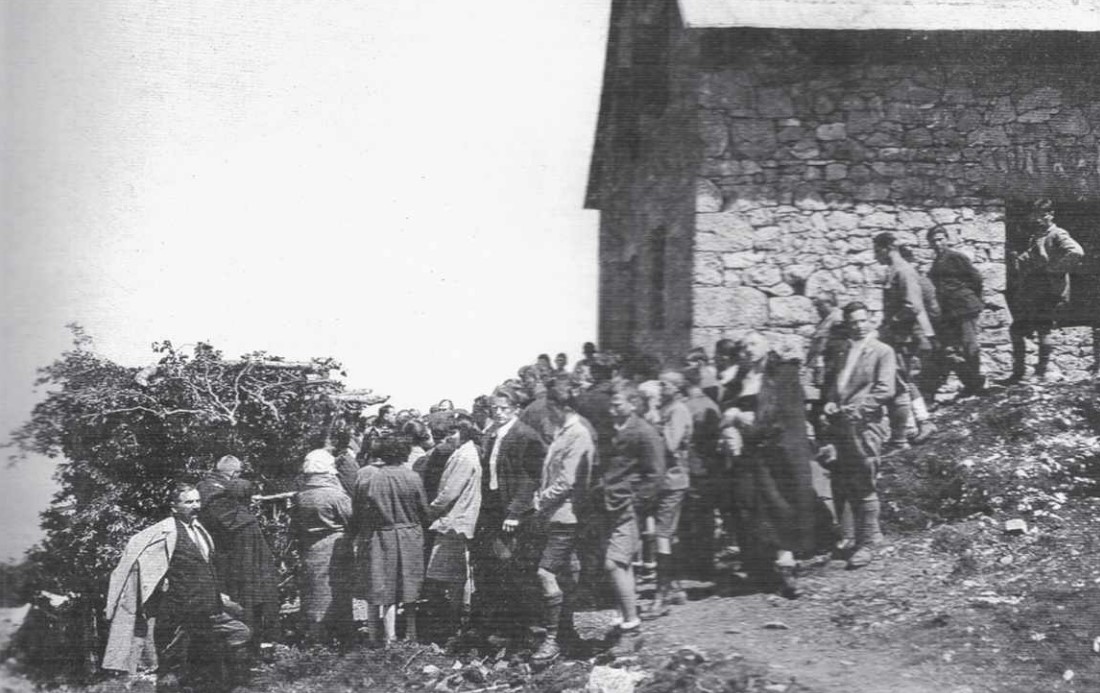
While the vast camp systems became symbols of the overall suffering, the majority of Serbs were killed at hundreds of local execution sites across the country.
The Jadovno and Jasenovac systems functioned chronologically one after the other, forming the "axis" of the state’s purpose.
In a way, they [the camp systems] constituted its very essence, the axis of its (un)reason. Primarily, this meant the destruction of Serbs; subsequently, in accordance with the new Nazi order and with very little external initiative, simply to align with the then-prevailing Nazi order in Europe, the destruction of Jews and Roma followed.
These were closely intertwined events on the ground, yet they were events characterized by different dynamics. Furthermore, the destruction of the Jews was carried out within the broader European context of the Holocaust's execution.
Jasenovac – The Symbol of Suffering
The Jasenovac death camp system became the ultimate symbol of the Serbian experience in the NDH.
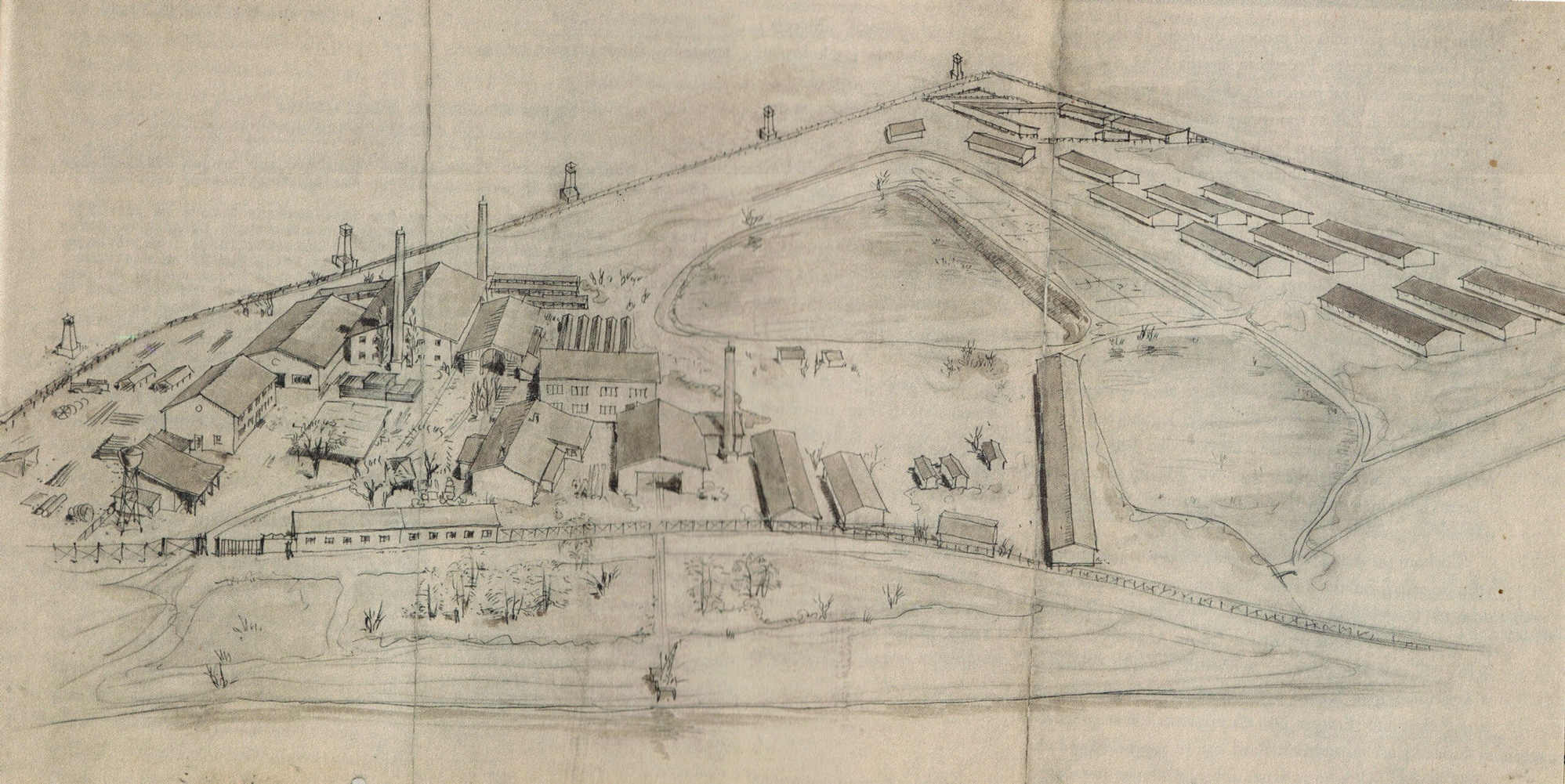
This camp system, notorious for its cruelty, covered an area of 210 square kilometers. It consisted of five main camps (referred to in historiography as I through V: Krapje, Bročica, Ciglana, Kožara, and Stara Gradiška), as well as execution sites—the largest being Donja Gradina (now in the Republic of Srpska).
Suffering in Jasenovac escalated particularly after the German-Croatian offensive on Kozara.
Suffering in Jasenovac escalated particularly after the German-Croatian offensive on Kozara. Nazi Germany acted not only as an international patron but also as a direct accomplice in the Genocide against Serbs
A unique and harrowing aspect of the NDH was the formation of specialized camps specifically for Serbian children: Jastrebarsko, Gornja Rijeka, and Sisak.
Within the NDH, there operated a significant number of sites where women and children were imprisoned and liquidated. This will remain recorded in the history of civilization.
The Response of the Serbian People
Faced with total annihilation, the Serbian people responded with a mass uprising in the summer of 1941. This anti-occupation movement had one primary goal: survival.
Only later did this movement split into the Communist (Revolutionary) and the Royalist (Ravna Gora/Chetnik) factions, which led to a bitter ideological civil war and further losses.
The majority of the Partisan movement in the territory of the former Yugoslavia—which emerged after the war on the side of the Allies—consisted of Serbs who were the primary carriers of the anti-fascist struggle.
Although the official narrative in post-war socialist Yugoslavia was built on a "false symmetry" regarding the contributions and victims of all ethnic groups, the Serbian people preserved an alternative family memory. This memory existed outside the communist ideological system and created a "defensive reflex" to ensure that Jasenovac and the NDH would never be repeated.
The Republic of Srpska as a Defensive Response
When Yugoslavia began to collapse in the early 1990s due to internal and external pressures, the Serbian people formed the Republic of Serbian Krajina and the Republic of Srpska as defensive mechanisms.
This was a collective "NO" to the repetition of genocide.
The Republic of Serbian Krajina disappeared under the offensive of the Croatian army in 1995, while the Republic of Srpska was recognized by international peace agreements as an entity with significant state powers within Bosnia and Herzegovina.
The Serbian Orthodox Church has included the Holy New Martyrs of Jasenovac and others into the covenantal vertical of memory of the Serbian people.
Today, we understand their suffering through the perspective of Golgotha and the Resurrection
Recommended Literature:
-
- Страхиња Курдулија, Атлас усташког геноцида над Србима 1941-1945, Беогард 1993.
- Jovan Mirković, Objavljeni izvori i literatura o jasenovačkim logorima, Banja Luka, Beograd, 2000.
- Јован Мирковић, Злочини над Србима у Независној држави Хрватској: фотомонографија / Cгimes Against Serbs in the Independent State of Croatia: photomonograph, Београд, Нови Сад, 2014.
- Јован Ћулибрк, Историографија холокауста у Југославији, Београд, 2011.
- Срђа Трифковић, „Балканско крвопролиће пре Ванзеа: Опет о Хрватској 1941.“, у: Израелско-српска научна размнена у проучавања холокауста, зборник радова са научног скупа, Београд, 2008. 29-46.
- Тања Тулековић, Дејан Мотл, Концентрациони логор Јасеновац 1941–1945. године, каталог за изложбу, Доња Градина, 2020.
- Предраг Лозо, Геноцид над Србима у НДХ , култура памћења и идентитети у Републици Српској“, у: Бањалучки новембарски сусрети, зборник радова са научног скупа, Бања Лука 2017, 317-377.
- Веб страница – ЈУСП Доња Градина.